%20--%3e%3cdefs%3e%3cstyle%3e%20.st0%20{%20fill:%20%231a3159;%20}%20.st1%20{%20fill:%20%2338b387;%20}%20%3c/style%3e%3c/defs%3e%3cg%3e%3cpath%20class='st0'%20d='M140.11,318.73v115.37h-28.1v-47.49h-43.72v47.49h-28.1v-115.37h28.1v45.2h43.72v-45.2h28.1Z'/%3e%3cpath%20class='st0'%20d='M262.09,318.73v115.37h-28.1v-47.49h-43.72v47.49h-28.1v-115.37h28.1v45.2h43.72v-45.2h28.1Z'/%3e%3cpath%20class='st0'%20d='M352.79,413.72h-43.06l-6.9,20.38h-29.42l41.74-115.37h32.54l41.74,115.37h-29.75l-6.9-20.38ZM345.56,392.03l-14.3-42.24-14.14,42.24h28.44Z'/%3e%3cpath%20class='st1'%20d='M477.67,370.34c-2.74,5.15-7.12,9.34-13.14,12.58-6.03,3.23-13.75,4.85-23.18,4.85h-20.71v46.34h-18.74v-114.22h39.44c8.77,0,16.2,1.51,22.27,4.52,6.08,3.02,10.63,7.1,13.64,12.25s4.52,10.9,4.52,17.25c0,5.81-1.37,11.29-4.11,16.44ZM457.3,367.63c3.51-3.23,5.25-7.81,5.25-13.73,0-12.49-7.07-18.74-21.2-18.74h-20.71v37.31h20.71c7.12,0,12.43-1.61,15.95-4.85Z'/%3e%3cpath%20class='st1'%20d='M526.16,345.93c4.54-2.57,9.94-3.86,16.19-3.86v19.39h-4.77c-7.34,0-12.9,1.86-16.68,5.59-3.78,3.72-5.67,10.19-5.67,19.39v47.66h-18.74v-90.55h18.74v13.14c2.74-4.6,6.39-8.19,10.93-10.77Z'/%3e%3cpath%20class='st1'%20d='M572.69,429.75c-6.9-3.89-12.32-9.37-16.27-16.44-3.95-7.07-5.92-15.26-5.92-24.57s2.03-17.36,6.08-24.48c4.06-7.12,9.59-12.6,16.6-16.44s14.85-5.75,23.5-5.75,16.48,1.92,23.5,5.75c7,3.83,12.54,9.31,16.59,16.44,4.06,7.12,6.09,15.29,6.09,24.48s-2.08,17.37-6.25,24.48c-4.17,7.12-9.84,12.63-17.01,16.52-7.18,3.89-15.09,5.83-23.75,5.83s-16.27-1.94-23.18-5.83ZM609.42,415.86c4.22-2.3,7.64-5.76,10.27-10.36s3.95-10.19,3.95-16.76-1.26-12.13-3.79-16.68c-2.52-4.54-5.86-7.97-10.02-10.27s-8.66-3.45-13.47-3.45-9.29,1.15-13.4,3.45c-4.1,2.3-7.36,5.73-9.77,10.27-2.41,4.55-3.62,10.11-3.62,16.68,0,9.75,2.49,17.28,7.48,22.6,4.98,5.31,11.25,7.97,18.81,7.97,4.82,0,9.34-1.15,13.56-3.45Z'/%3e%3cpath%20class='st1'%20d='M673.32,431.72c-5.65-2.58-10.11-6.09-13.39-10.52-3.29-4.44-5.05-9.4-5.26-14.88h19.39c.34,3.84,2.16,7.04,5.51,9.62,3.34,2.58,7.53,3.87,12.57,3.87s9.34-1.01,12.24-3.04c2.91-2.03,4.36-4.63,4.36-7.81,0-3.39-1.62-5.91-4.85-7.55-3.23-1.65-8.36-3.45-15.37-5.42-6.79-1.87-12.32-3.67-16.59-5.42-4.27-1.76-7.97-4.44-11.09-8.06-3.12-3.62-4.69-8.38-4.69-14.29,0-4.82,1.42-9.23,4.27-13.23,2.85-4,6.93-7.15,12.24-9.45,5.32-2.3,11.43-3.45,18.33-3.45,10.29,0,18.6,2.6,24.9,7.8,6.3,5.21,9.66,12.3,10.1,21.28h-18.74c-.33-4.05-1.97-7.28-4.93-9.69-2.95-2.41-6.96-3.62-11.99-3.62s-8.71.93-11.34,2.8c-2.63,1.87-3.95,4.33-3.95,7.39,0,2.41.88,4.44,2.63,6.09,1.75,1.64,3.89,2.93,6.41,3.86,2.52.93,6.25,2.12,11.17,3.54,6.57,1.75,11.97,3.53,16.19,5.33,4.22,1.81,7.86,4.47,10.93,7.98,3.07,3.51,4.66,8.16,4.77,13.97,0,5.15-1.43,9.75-4.28,13.8-2.84,4.06-6.88,7.24-12.07,9.54-5.21,2.3-11.32,3.45-18.33,3.45s-13.5-1.29-19.14-3.86Z'/%3e%3c/g%3e%3cg%3e%3cpath%20class='st1'%20d='M513.49,153.9c2.16,2.56,2.16,6.3,0,8.86l-7.91,9.36-2.25,2.67-10.34,12.24-12.9,15.28c-1.76,2.08-4.35,3.29-7.08,3.29h-20.25c-1.29,0-1.98-1.5-1.15-2.49l27.48-32.54,6.8-8.05c2.05-2.42,2.05-5.96,0-8.39l-6.8-8.05-27.48-32.54c-.83-.98-.13-2.49,1.15-2.49h20.25c2.73,0,5.32,1.2,7.08,3.29l12.9,15.28,10.34,12.25,2.25,2.67,7.91,9.36Z'/%3e%3cpath%20class='st0'%20d='M457.07,168.81c1.12,0,1.72,1.3,1,2.16l-29.25,34.64c-1.7,2.02-2.64,4.57-2.64,7.21v55.51c0,9.21-7.47,16.68-16.68,16.68h-61.18c-9.21,0-16.68-7.47-16.68-16.68v-51.54c0-6.18-5.01-11.18-11.18-11.18h-51.54c-9.21,0-16.68-7.46-16.68-16.68v-61.19c0-9.21,7.47-16.68,16.68-16.68h51.54c6.18,0,11.18-5.01,11.18-11.18v-51.54c0-9.21,7.47-16.68,16.68-16.68h61.19c9.21,0,16.68,7.47,16.68,16.68v55.5c0,2.64.94,5.2,2.64,7.22l29.24,34.63c.72.85.11,2.16-1,2.16h-49.17c-7.01.25-21.82,1.79-36.05,11.92,0,0-16.13,11.48-22.07,30.08-.95,2.99-3.5,10.12,1.28,11.12,2.85.59,5.13-2.58,6.37-4.68,1.64-2.75,3.58-5.29,5.75-7.65,1.88-2.05,3.83-4.02,5.84-5.95,4.66-4.49,9.18-6.81,11.87-8.19,10.36-5.32,20.67-5.96,27.39-5.68h48.8Z'/%3e%3c/g%3e%3c/svg%3e)
12 Intake System Streamlining Techniques to Improve Admission Speed and Accuracy
12 Intake System Streamlining Techniques to Improve Admission Speed and Accuracy
Your intake system isn’t just a process; it’s the heartbeat of your agency. Every delay or misstep costs referrals, drags down admission speed, and erodes trust with partners. You need intake system streamlining that cuts leakage, tightens handoffs, and lifts SOC timeliness - without adding complexity. Here’s a practical, operator-grade playbook built for leaders who demand clarity, control, and measurable results. For more insights, check out this resource.
Mastering Home Health Intake
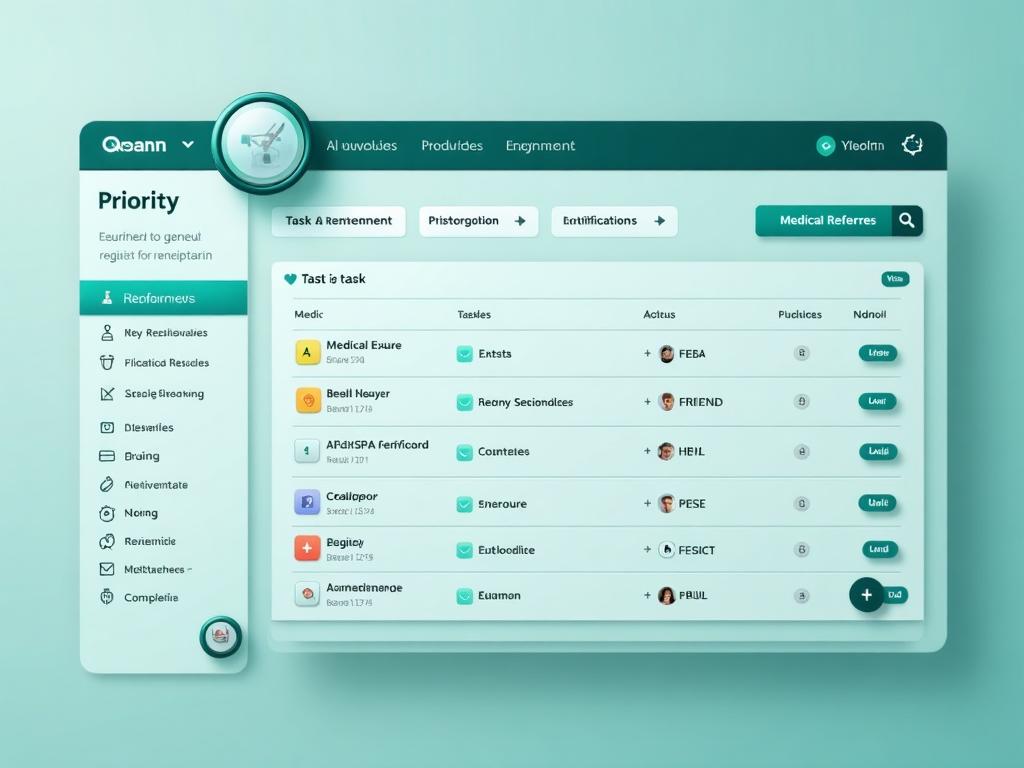
To transform your home health intake, focus on refining workflows and boosting accuracy. This guides you through optimizing each stage, minimizing delays, and increasing admissions without sacrificing quality.
Referral-to-Admission Workflow
Refining the referral-to-admission process is critical. Start by mapping out each step your team takes. Identify bottlenecks that slow down admissions. For instance, gaps often occur during initial contact or when gathering required documentation. By identifying these, you can strategically target areas for improvement. Implementing a streamlined workflow ensures that referrals are processed seamlessly, reducing time to admission.
A well-designed workflow is incomplete without clear communication. Train your team to use concise language and confirm understanding at every step. This reduces errors and miscommunications, which are common stumbling blocks. Ensuring each team member knows their role can prevent unnecessary delays and redundancy.
Admission Speed and Intake Accuracy
Speed is vital, but accuracy must not be compromised. To achieve both, consider implementing checklists. These tools ensure all necessary information is gathered before proceeding to the next stage. This minimizes the need for backtracking, which often slows down the process. An accurate intake process builds trust with partners, paving the way for more referrals.
Furthermore, regular audits can highlight persistent errors. These insights allow you to adjust training and processes accordingly. Having a feedback loop where team members can report issues and suggest improvements also contributes to better accuracy and speed.
Leveraging Technology for Efficiency
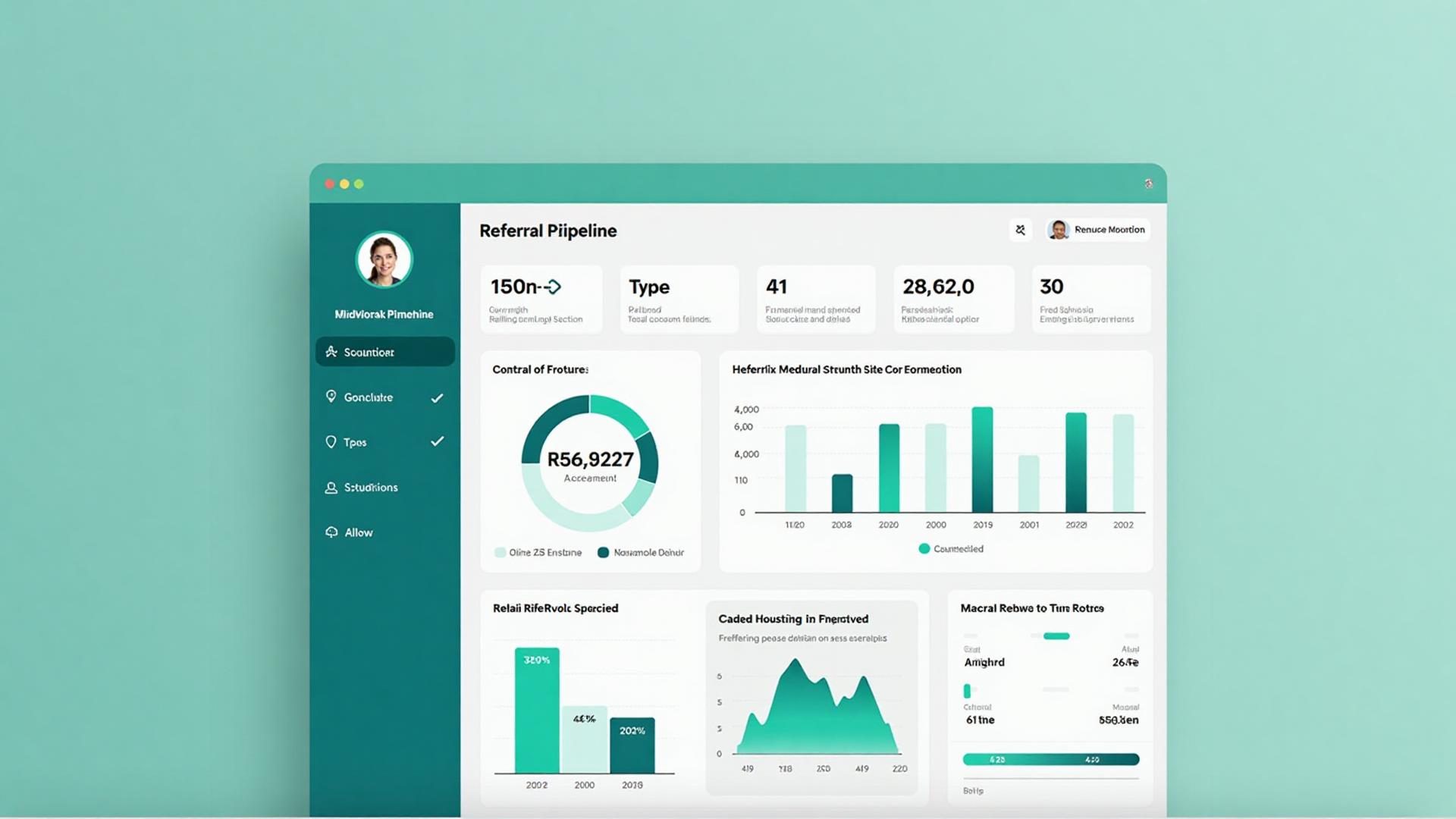
Technology, when used correctly, can significantly streamline operations. It’s not about having the latest gadgets, but about using tools that integrate seamlessly into your existing workflow.
EMR and CRM Integration
Integrating EMR and CRM systems can transform your operations. These systems help keep patient information organized and accessible. A unified system minimizes the risk of losing crucial data during handoffs between departments. Consider EMR integration to improve your workflow.
When choosing technology, prioritize systems that offer robust integration capabilities. Systems like WellSky Kinnser and AlayaCare are designed to work with your existing tools, creating a seamless flow of information. This ensures everyone has access to the same data, reducing the chance of errors and improving patient care.
Automating Intake Processes
Automation can be a game-changer for your intake process. By automating repetitive tasks, you free up time for your staff to focus on more complex aspects of patient care. For instance, using software to automatically send reminders for missing documents can drastically cut down on manual follow-up tasks.
However, automation should not replace the human element. Use it to enhance your team's capabilities, not to replace them. This balance ensures that automation serves its purpose without compromising patient experience.
Enhancing Operational Resilience
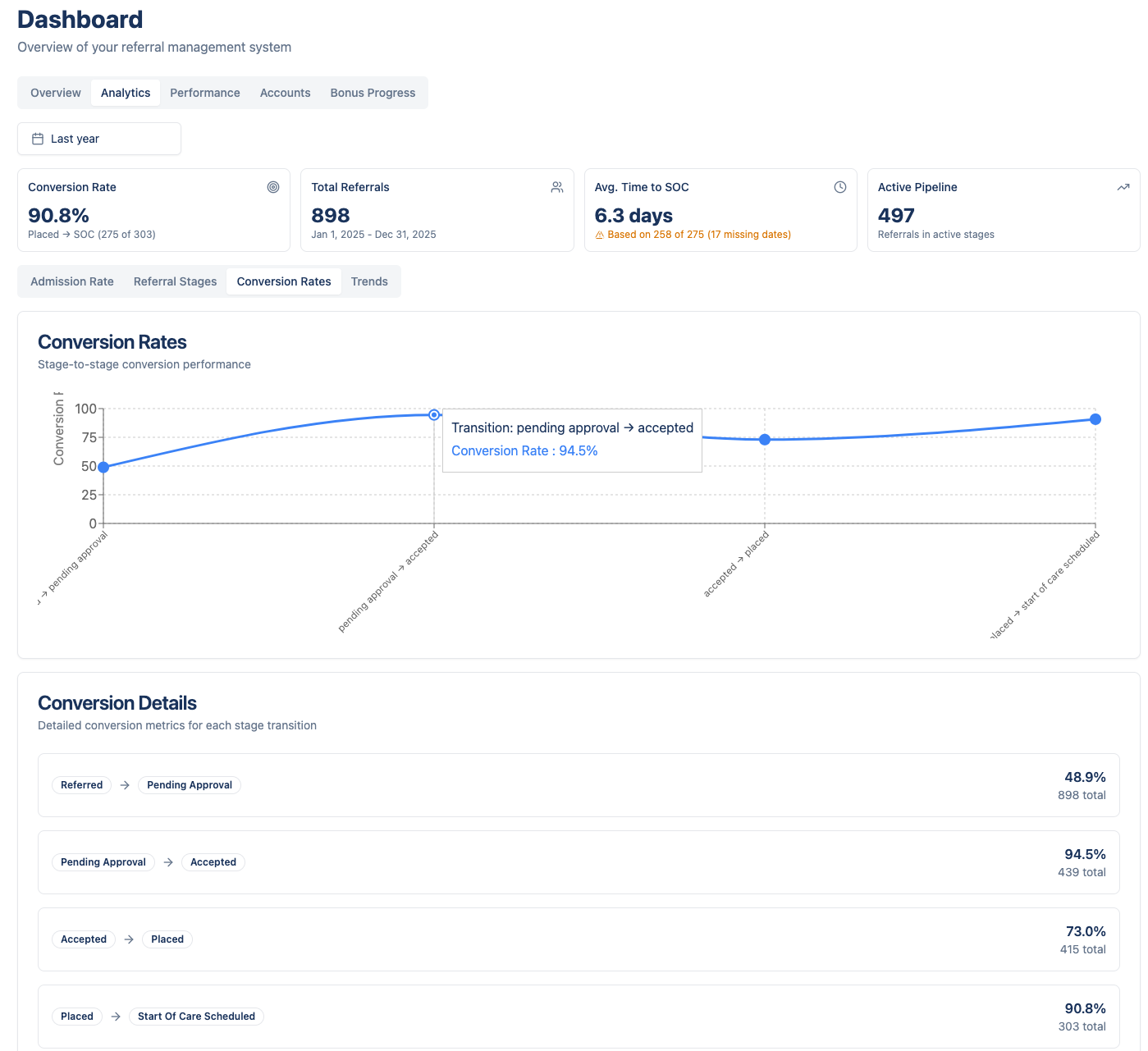
Building resilience into your operations means creating systems that withstand pressure without breaking down. This section explores practices that fortify your agency against common pitfalls.
Standardized Handoffs and Intake SLAs
Standardizing handoffs and setting clear intake SLAs (Service Level Agreements) are crucial. They define expectations and ensure accountability at each stage of the process. SLAs help maintain a consistent pace and quality across the board, reducing the probability of errors.
Develop clear protocols for each handoff. Every team member should know their responsibilities and how their role fits into the bigger picture. This clarity prevents tasks from falling through the cracks. Additionally, regular training sessions can help reinforce these protocols.
Reducing Referral Leakage
Referral leakage is a significant issue, but it can be mitigated. Start by understanding where leaks occur. Often, they happen when follow-up is inconsistent or when data is inaccessible. Implementing a system that tracks referrals from start to finish can help. Such a system allows for quick identification of where leaks happen, enabling timely intervention.
Maintaining strong relationships with referral sources is also key. Regular updates and transparent communication build trust and reduce the chances of losing referrals to competitors. Consistent follow-up and a reliable system for tracking outcomes can effectively plug these leaks. Explore more on how to streamline the admissions funnel.
By implementing these strategies, you’ll not only enhance your agency’s intake process but also protect your market share and ensure a steady flow of admissions. Remember, fortifying your intake system is not just about speed and accuracy; it’s about building trust and reliability that stand the test of time.
TAGS
Get More Insights Like This
Join 500+ home health professionals receiving weekly strategies to grow their census
Ready to Transform Your Agency?
Download our free playbook or book a free 20-Minute Referral Review to get started
Related Articles
One Source. Zero Leaks. How to Build a Single Source of Truth for Referral Operations
One Source. Zero Leaks. How to Build a Single Source of Truth for Referral Operations Referral leaks drain your growth and muddy your data.
Plug the Leaks: Referral Leakage Prevention Strategies for Home Health
Plug the Leaks: Referral Leakage Prevention Strategies for Home Health Referral leakage is draining your agency’s growth and wasting precious time.
Build a Referral-to-Admission System That Scales (Without Heroics)
Build a Referral-to-Admission System That Scales (Without Heroics) You’re losing referrals every day.