%20--%3e%3cdefs%3e%3cstyle%3e%20.st0%20{%20fill:%20%231a3159;%20}%20.st1%20{%20fill:%20%2338b387;%20}%20%3c/style%3e%3c/defs%3e%3cg%3e%3cpath%20class='st0'%20d='M140.11,318.73v115.37h-28.1v-47.49h-43.72v47.49h-28.1v-115.37h28.1v45.2h43.72v-45.2h28.1Z'/%3e%3cpath%20class='st0'%20d='M262.09,318.73v115.37h-28.1v-47.49h-43.72v47.49h-28.1v-115.37h28.1v45.2h43.72v-45.2h28.1Z'/%3e%3cpath%20class='st0'%20d='M352.79,413.72h-43.06l-6.9,20.38h-29.42l41.74-115.37h32.54l41.74,115.37h-29.75l-6.9-20.38ZM345.56,392.03l-14.3-42.24-14.14,42.24h28.44Z'/%3e%3cpath%20class='st1'%20d='M477.67,370.34c-2.74,5.15-7.12,9.34-13.14,12.58-6.03,3.23-13.75,4.85-23.18,4.85h-20.71v46.34h-18.74v-114.22h39.44c8.77,0,16.2,1.51,22.27,4.52,6.08,3.02,10.63,7.1,13.64,12.25s4.52,10.9,4.52,17.25c0,5.81-1.37,11.29-4.11,16.44ZM457.3,367.63c3.51-3.23,5.25-7.81,5.25-13.73,0-12.49-7.07-18.74-21.2-18.74h-20.71v37.31h20.71c7.12,0,12.43-1.61,15.95-4.85Z'/%3e%3cpath%20class='st1'%20d='M526.16,345.93c4.54-2.57,9.94-3.86,16.19-3.86v19.39h-4.77c-7.34,0-12.9,1.86-16.68,5.59-3.78,3.72-5.67,10.19-5.67,19.39v47.66h-18.74v-90.55h18.74v13.14c2.74-4.6,6.39-8.19,10.93-10.77Z'/%3e%3cpath%20class='st1'%20d='M572.69,429.75c-6.9-3.89-12.32-9.37-16.27-16.44-3.95-7.07-5.92-15.26-5.92-24.57s2.03-17.36,6.08-24.48c4.06-7.12,9.59-12.6,16.6-16.44s14.85-5.75,23.5-5.75,16.48,1.92,23.5,5.75c7,3.83,12.54,9.31,16.59,16.44,4.06,7.12,6.09,15.29,6.09,24.48s-2.08,17.37-6.25,24.48c-4.17,7.12-9.84,12.63-17.01,16.52-7.18,3.89-15.09,5.83-23.75,5.83s-16.27-1.94-23.18-5.83ZM609.42,415.86c4.22-2.3,7.64-5.76,10.27-10.36s3.95-10.19,3.95-16.76-1.26-12.13-3.79-16.68c-2.52-4.54-5.86-7.97-10.02-10.27s-8.66-3.45-13.47-3.45-9.29,1.15-13.4,3.45c-4.1,2.3-7.36,5.73-9.77,10.27-2.41,4.55-3.62,10.11-3.62,16.68,0,9.75,2.49,17.28,7.48,22.6,4.98,5.31,11.25,7.97,18.81,7.97,4.82,0,9.34-1.15,13.56-3.45Z'/%3e%3cpath%20class='st1'%20d='M673.32,431.72c-5.65-2.58-10.11-6.09-13.39-10.52-3.29-4.44-5.05-9.4-5.26-14.88h19.39c.34,3.84,2.16,7.04,5.51,9.62,3.34,2.58,7.53,3.87,12.57,3.87s9.34-1.01,12.24-3.04c2.91-2.03,4.36-4.63,4.36-7.81,0-3.39-1.62-5.91-4.85-7.55-3.23-1.65-8.36-3.45-15.37-5.42-6.79-1.87-12.32-3.67-16.59-5.42-4.27-1.76-7.97-4.44-11.09-8.06-3.12-3.62-4.69-8.38-4.69-14.29,0-4.82,1.42-9.23,4.27-13.23,2.85-4,6.93-7.15,12.24-9.45,5.32-2.3,11.43-3.45,18.33-3.45,10.29,0,18.6,2.6,24.9,7.8,6.3,5.21,9.66,12.3,10.1,21.28h-18.74c-.33-4.05-1.97-7.28-4.93-9.69-2.95-2.41-6.96-3.62-11.99-3.62s-8.71.93-11.34,2.8c-2.63,1.87-3.95,4.33-3.95,7.39,0,2.41.88,4.44,2.63,6.09,1.75,1.64,3.89,2.93,6.41,3.86,2.52.93,6.25,2.12,11.17,3.54,6.57,1.75,11.97,3.53,16.19,5.33,4.22,1.81,7.86,4.47,10.93,7.98,3.07,3.51,4.66,8.16,4.77,13.97,0,5.15-1.43,9.75-4.28,13.8-2.84,4.06-6.88,7.24-12.07,9.54-5.21,2.3-11.32,3.45-18.33,3.45s-13.5-1.29-19.14-3.86Z'/%3e%3c/g%3e%3cg%3e%3cpath%20class='st1'%20d='M513.49,153.9c2.16,2.56,2.16,6.3,0,8.86l-7.91,9.36-2.25,2.67-10.34,12.24-12.9,15.28c-1.76,2.08-4.35,3.29-7.08,3.29h-20.25c-1.29,0-1.98-1.5-1.15-2.49l27.48-32.54,6.8-8.05c2.05-2.42,2.05-5.96,0-8.39l-6.8-8.05-27.48-32.54c-.83-.98-.13-2.49,1.15-2.49h20.25c2.73,0,5.32,1.2,7.08,3.29l12.9,15.28,10.34,12.25,2.25,2.67,7.91,9.36Z'/%3e%3cpath%20class='st0'%20d='M457.07,168.81c1.12,0,1.72,1.3,1,2.16l-29.25,34.64c-1.7,2.02-2.64,4.57-2.64,7.21v55.51c0,9.21-7.47,16.68-16.68,16.68h-61.18c-9.21,0-16.68-7.47-16.68-16.68v-51.54c0-6.18-5.01-11.18-11.18-11.18h-51.54c-9.21,0-16.68-7.46-16.68-16.68v-61.19c0-9.21,7.47-16.68,16.68-16.68h51.54c6.18,0,11.18-5.01,11.18-11.18v-51.54c0-9.21,7.47-16.68,16.68-16.68h61.19c9.21,0,16.68,7.47,16.68,16.68v55.5c0,2.64.94,5.2,2.64,7.22l29.24,34.63c.72.85.11,2.16-1,2.16h-49.17c-7.01.25-21.82,1.79-36.05,11.92,0,0-16.13,11.48-22.07,30.08-.95,2.99-3.5,10.12,1.28,11.12,2.85.59,5.13-2.58,6.37-4.68,1.64-2.75,3.58-5.29,5.75-7.65,1.88-2.05,3.83-4.02,5.84-5.95,4.66-4.49,9.18-6.81,11.87-8.19,10.36-5.32,20.67-5.96,27.39-5.68h48.8Z'/%3e%3c/g%3e%3c/svg%3e)
Build a Referral-to-Admission System That Scales (Without Heroics)
Build a Referral-to-Admission System That Scales (Without Heroics)
You’re losing referrals every day. Not because you lack leads, but because your referral-to-admission system leaks at critical handoffs. What if you could plug those leaks with standardized processes, clear SLAs, and real-time pipeline visibility? In this post, you’ll learn how to build a referral-to-admission system that scales without relying on heroics - and keeps your partners loyal for the long haul. Read more about building a simple referral system.
Designing a Scalable System
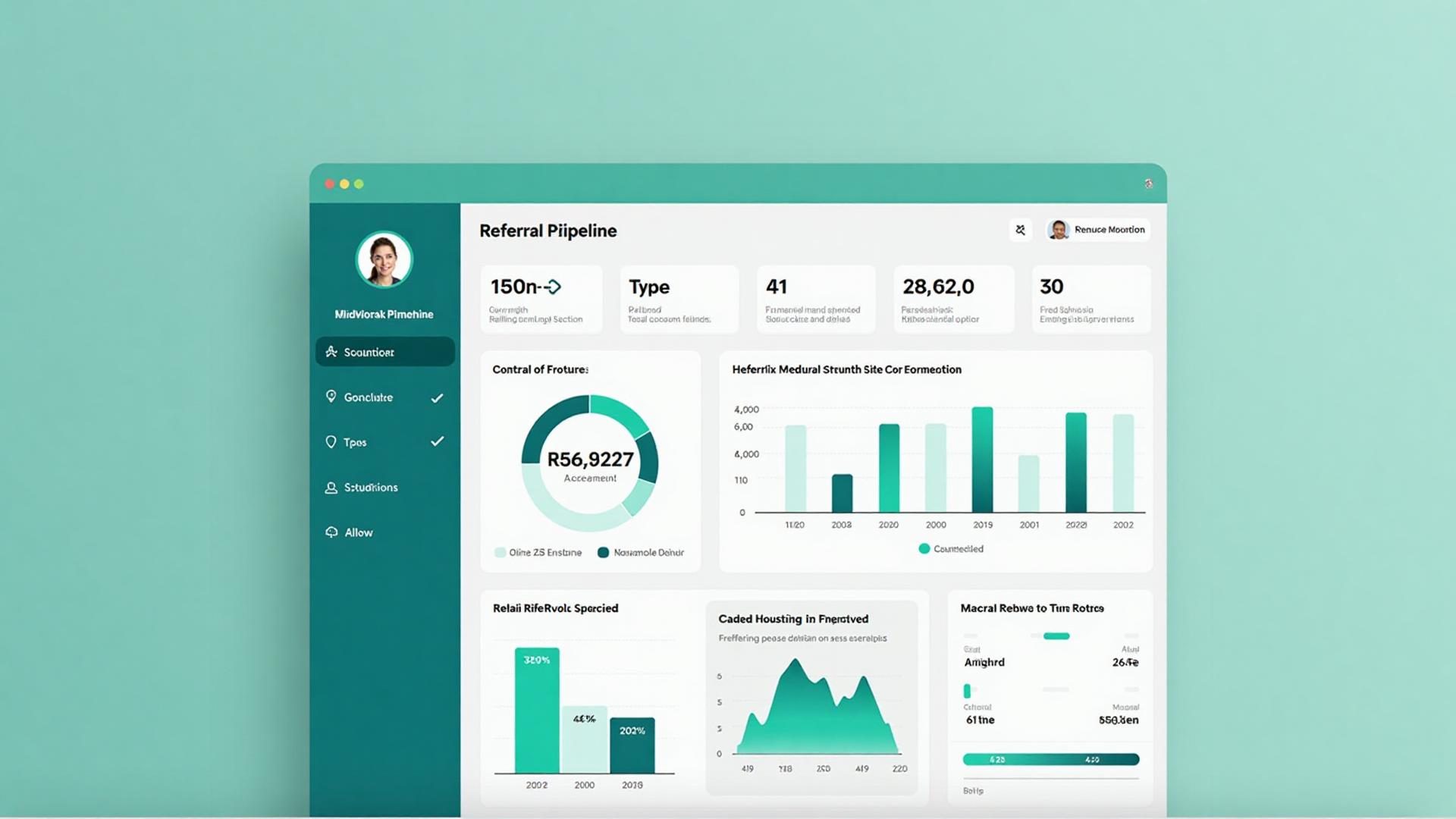
Creating a scalable system is about more than just fixing leaks. It's about building a foundation strong enough to grow as your agency does.
Standardized Workflows and SLAs
Standardized workflows are the backbone of any effective referral-to-admission system. They ensure that each referral is handled with consistency and precision. By setting clear Service Level Agreements (SLAs), you define expected response times and outcomes, minimizing variability. For example, when a new referral comes in, having a defined process ensures it's handled the same way every time. This reduces the chance of errors and delays.
Imagine a new patient referral arrives. Instead of manual handoffs, your team follows a set process: intake within 10 minutes, eligibility check within 30 minutes, and admission scheduled within 24 hours. This level of precision not only improves efficiency but also enhances partner satisfaction. When partners see predictable outcomes, their trust in your system grows. For more on these concepts, check out this article on creating scalable systems.
Ensuring Data Visibility and Governance
A system can only be as effective as the visibility it provides. Ensuring data visibility means that everyone in your agency can see the referral pipeline in real time. This transparency minimizes miscommunications and allows for quick corrections when issues arise. Governance is the next step. It involves setting up rules and checks to ensure data is accurate and used appropriately.
For instance, implementing a dashboard that updates in real-time can give insights into where referrals are in the pipeline. This is vital for keeping everyone informed and accountable. When governance is tight, your team knows what to expect and how to act. This clarity leads to smoother operations and fewer surprises. Learn more about building a secure clinical data warehouse.
Enhancing Referral Conversion

Once your system is stable, the focus shifts to maximizing your referral conversion rates. This involves addressing both leaks and workflow inefficiencies.
Reducing Referral Leakage
Referral leakage is like water dripping from a cracked pipe. Small losses add up over time. To plug these leaks, first identify where they occur. Is it at the handoff between referral and intake? Or perhaps during the scheduling process? By pinpointing these areas, you can apply targeted solutions.
For example, if referrals often go unaddressed during weekends, consider redistributing staff or automating some steps. Regular reviews of your data can reveal these trends, allowing you to act swiftly. Addressing these leaks not only boosts conversion but also strengthens relationships with your referral partners. This makes your agency a reliable choice in their eyes. Explore how to develop a patient referral tracking system for more ideas.
Tightening Intake Workflows
Your intake workflow is crucial to maintaining high conversion rates. It should be as tight and efficient as possible. By removing unnecessary steps and speeding up necessary ones, you reduce the time from referral to admission. This not only enhances the experience for the patient but also reassures your partners that you're capable and reliable.
Consider using technology to automate parts of the intake process, such as data entry or eligibility checks. This reduces errors and frees up staff to focus on more complex tasks. The result? Faster admissions, happier partners, and a more efficient operation overall. Learn more about improving intake efficiency through system design.
Building Operational Resilience
Now that your systems are airtight and efficient, it's time to ensure they can withstand the pressures of growth and unexpected challenges.
Capacity Stabilization Strategies
Capacity stabilization is about ensuring your agency can handle fluctuations in demand without compromising service quality. This involves strategic staffing and resource allocation. For instance, by analyzing historical data, you can predict busy periods and adjust staffing accordingly.
Implementing flexible staffing models, such as part-time or on-call roles, can provide the necessary support during peak times without overburdening your budget. By stabilizing capacity, you ensure service continuity, which is crucial for maintaining partner trust and patient satisfaction.
HIPAA-Compliant Dashboard Utilization
Ensuring that your systems are compliant with regulations like HIPAA is non-negotiable. A HIPAA-compliant dashboard not only secures patient data but also streamlines access to critical information across your team. This compliance protects your agency from legal risks and enhances your reputation as a trustworthy partner.
With a secure dashboard, team members can access real-time data on referrals and admissions, enabling them to make informed decisions quickly. This speed and efficiency contribute to better patient outcomes and increased partner satisfaction. By prioritizing compliance, you safeguard your agency's future and build a foundation for sustainable growth.
In summary, by designing a scalable system with clear processes, improving referral conversion, and building operational resilience, your agency can thrive. Embracing these strategies not only protects what you've built but also sets the stage for future success. Your partners will see you as a reliable and efficient choice, ensuring continued growth and stability.
TAGS
Get More Insights Like This
Join 500+ home health professionals receiving weekly strategies to grow their census