%20--%3e%3cdefs%3e%3cstyle%3e%20.st0%20{%20fill:%20%231a3159;%20}%20.st1%20{%20fill:%20%2338b387;%20}%20%3c/style%3e%3c/defs%3e%3cg%3e%3cpath%20class='st0'%20d='M140.11,318.73v115.37h-28.1v-47.49h-43.72v47.49h-28.1v-115.37h28.1v45.2h43.72v-45.2h28.1Z'/%3e%3cpath%20class='st0'%20d='M262.09,318.73v115.37h-28.1v-47.49h-43.72v47.49h-28.1v-115.37h28.1v45.2h43.72v-45.2h28.1Z'/%3e%3cpath%20class='st0'%20d='M352.79,413.72h-43.06l-6.9,20.38h-29.42l41.74-115.37h32.54l41.74,115.37h-29.75l-6.9-20.38ZM345.56,392.03l-14.3-42.24-14.14,42.24h28.44Z'/%3e%3cpath%20class='st1'%20d='M477.67,370.34c-2.74,5.15-7.12,9.34-13.14,12.58-6.03,3.23-13.75,4.85-23.18,4.85h-20.71v46.34h-18.74v-114.22h39.44c8.77,0,16.2,1.51,22.27,4.52,6.08,3.02,10.63,7.1,13.64,12.25s4.52,10.9,4.52,17.25c0,5.81-1.37,11.29-4.11,16.44ZM457.3,367.63c3.51-3.23,5.25-7.81,5.25-13.73,0-12.49-7.07-18.74-21.2-18.74h-20.71v37.31h20.71c7.12,0,12.43-1.61,15.95-4.85Z'/%3e%3cpath%20class='st1'%20d='M526.16,345.93c4.54-2.57,9.94-3.86,16.19-3.86v19.39h-4.77c-7.34,0-12.9,1.86-16.68,5.59-3.78,3.72-5.67,10.19-5.67,19.39v47.66h-18.74v-90.55h18.74v13.14c2.74-4.6,6.39-8.19,10.93-10.77Z'/%3e%3cpath%20class='st1'%20d='M572.69,429.75c-6.9-3.89-12.32-9.37-16.27-16.44-3.95-7.07-5.92-15.26-5.92-24.57s2.03-17.36,6.08-24.48c4.06-7.12,9.59-12.6,16.6-16.44s14.85-5.75,23.5-5.75,16.48,1.92,23.5,5.75c7,3.83,12.54,9.31,16.59,16.44,4.06,7.12,6.09,15.29,6.09,24.48s-2.08,17.37-6.25,24.48c-4.17,7.12-9.84,12.63-17.01,16.52-7.18,3.89-15.09,5.83-23.75,5.83s-16.27-1.94-23.18-5.83ZM609.42,415.86c4.22-2.3,7.64-5.76,10.27-10.36s3.95-10.19,3.95-16.76-1.26-12.13-3.79-16.68c-2.52-4.54-5.86-7.97-10.02-10.27s-8.66-3.45-13.47-3.45-9.29,1.15-13.4,3.45c-4.1,2.3-7.36,5.73-9.77,10.27-2.41,4.55-3.62,10.11-3.62,16.68,0,9.75,2.49,17.28,7.48,22.6,4.98,5.31,11.25,7.97,18.81,7.97,4.82,0,9.34-1.15,13.56-3.45Z'/%3e%3cpath%20class='st1'%20d='M673.32,431.72c-5.65-2.58-10.11-6.09-13.39-10.52-3.29-4.44-5.05-9.4-5.26-14.88h19.39c.34,3.84,2.16,7.04,5.51,9.62,3.34,2.58,7.53,3.87,12.57,3.87s9.34-1.01,12.24-3.04c2.91-2.03,4.36-4.63,4.36-7.81,0-3.39-1.62-5.91-4.85-7.55-3.23-1.65-8.36-3.45-15.37-5.42-6.79-1.87-12.32-3.67-16.59-5.42-4.27-1.76-7.97-4.44-11.09-8.06-3.12-3.62-4.69-8.38-4.69-14.29,0-4.82,1.42-9.23,4.27-13.23,2.85-4,6.93-7.15,12.24-9.45,5.32-2.3,11.43-3.45,18.33-3.45,10.29,0,18.6,2.6,24.9,7.8,6.3,5.21,9.66,12.3,10.1,21.28h-18.74c-.33-4.05-1.97-7.28-4.93-9.69-2.95-2.41-6.96-3.62-11.99-3.62s-8.71.93-11.34,2.8c-2.63,1.87-3.95,4.33-3.95,7.39,0,2.41.88,4.44,2.63,6.09,1.75,1.64,3.89,2.93,6.41,3.86,2.52.93,6.25,2.12,11.17,3.54,6.57,1.75,11.97,3.53,16.19,5.33,4.22,1.81,7.86,4.47,10.93,7.98,3.07,3.51,4.66,8.16,4.77,13.97,0,5.15-1.43,9.75-4.28,13.8-2.84,4.06-6.88,7.24-12.07,9.54-5.21,2.3-11.32,3.45-18.33,3.45s-13.5-1.29-19.14-3.86Z'/%3e%3c/g%3e%3cg%3e%3cpath%20class='st1'%20d='M513.49,153.9c2.16,2.56,2.16,6.3,0,8.86l-7.91,9.36-2.25,2.67-10.34,12.24-12.9,15.28c-1.76,2.08-4.35,3.29-7.08,3.29h-20.25c-1.29,0-1.98-1.5-1.15-2.49l27.48-32.54,6.8-8.05c2.05-2.42,2.05-5.96,0-8.39l-6.8-8.05-27.48-32.54c-.83-.98-.13-2.49,1.15-2.49h20.25c2.73,0,5.32,1.2,7.08,3.29l12.9,15.28,10.34,12.25,2.25,2.67,7.91,9.36Z'/%3e%3cpath%20class='st0'%20d='M457.07,168.81c1.12,0,1.72,1.3,1,2.16l-29.25,34.64c-1.7,2.02-2.64,4.57-2.64,7.21v55.51c0,9.21-7.47,16.68-16.68,16.68h-61.18c-9.21,0-16.68-7.47-16.68-16.68v-51.54c0-6.18-5.01-11.18-11.18-11.18h-51.54c-9.21,0-16.68-7.46-16.68-16.68v-61.19c0-9.21,7.47-16.68,16.68-16.68h51.54c6.18,0,11.18-5.01,11.18-11.18v-51.54c0-9.21,7.47-16.68,16.68-16.68h61.19c9.21,0,16.68,7.47,16.68,16.68v55.5c0,2.64.94,5.2,2.64,7.22l29.24,34.63c.72.85.11,2.16-1,2.16h-49.17c-7.01.25-21.82,1.79-36.05,11.92,0,0-16.13,11.48-22.07,30.08-.95,2.99-3.5,10.12,1.28,11.12,2.85.59,5.13-2.58,6.37-4.68,1.64-2.75,3.58-5.29,5.75-7.65,1.88-2.05,3.83-4.02,5.84-5.95,4.66-4.49,9.18-6.81,11.87-8.19,10.36-5.32,20.67-5.96,27.39-5.68h48.8Z'/%3e%3c/g%3e%3c/svg%3e)
Standardize Referral-to-Admission Across Branches: A 90-Day Playbook for Sustainable Growth
Standardize Referral-to-Admission Across Branches: A 90-Day Playbook for Sustainable Growth
Referral-to-admission workflows that vary across branches cost you time, money, and referrals. You see gaps in ownership, unclear SLAs, and handoffs that slow down your process - leaving revenue on the table and partners frustrated. This playbook lays out a clear 90-day plan to standardize your intake workflow across locations, tighten your referral conversion rate, and reduce referral leakage for steady, sustainable growth. Clarity in process. Confidence in outcomes. Learn more here.
Create Unified Referral Processes
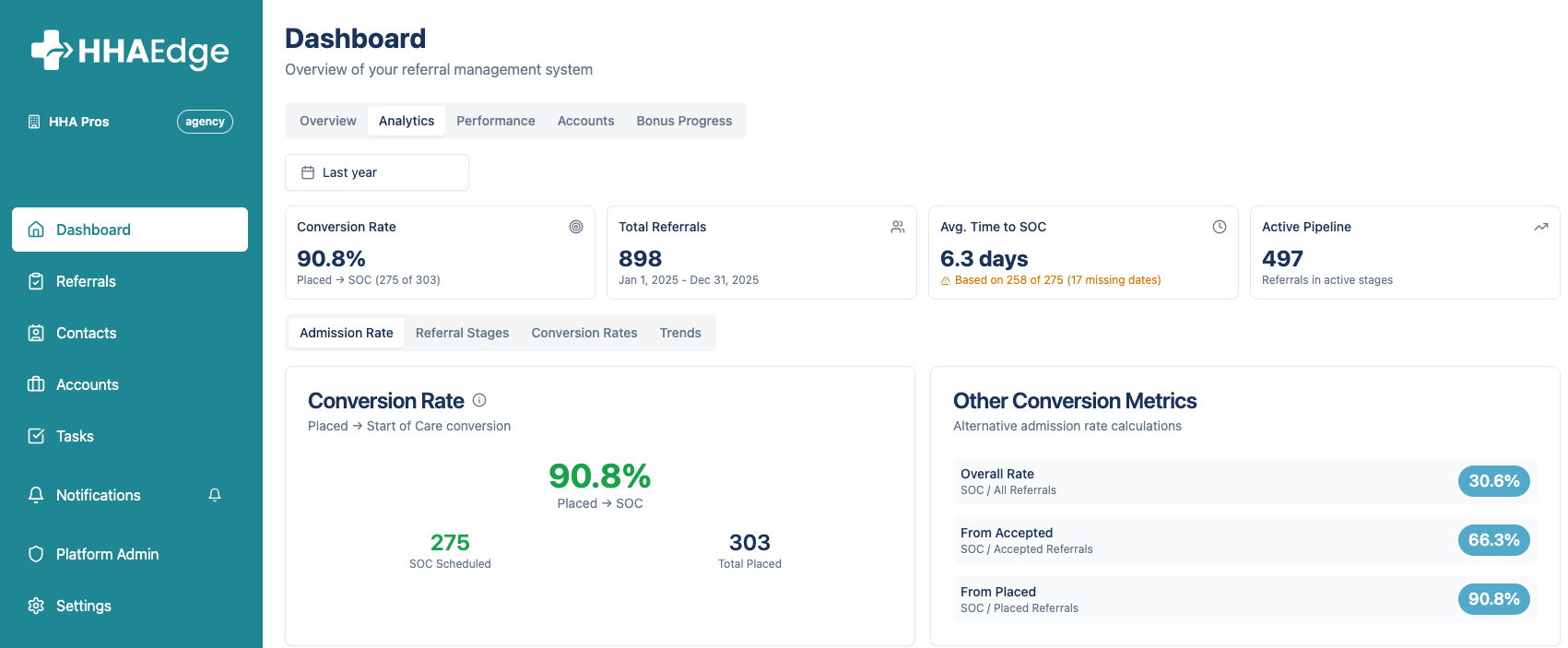
Aligning your referral processes across branches is the first step in reducing inefficiencies and increasing revenue. Let's explore how defining roles, setting standards, and creating protocols can drive change.
Define Roles and Responsibilities
Clarity is key. When everyone knows their role, operations run smoother. Start by mapping out each step of your referral-to-admission process. Who handles initial contact? Who ensures the paperwork is complete? Assign tasks with precision so there's no overlap or confusion.
Delegate duties: Assign specific responsibilities to each team member.
Document processes: Create clear instructions for every task.
Regular reviews: Hold meetings to ensure everyone remains on track.
Sharing real-life examples from other agencies can also be insightful. A colleague once shared how their intake manager reduced referral leakage by 15% simply by reassigning tasks. Observing such successes can inspire similar strategies within your own team.
Establish Home Health Intake SLAs
Service Level Agreements (SLAs) set the standard for how quickly and efficiently your team must operate. Implementing them ensures consistency and accountability. But where do you start?
Set response times: Determine how quickly referrals need acknowledgment.
Define quality metrics: What makes a referral complete?
Monitor compliance: Regularly check adherence to these SLAs.
SLAs can transform your workflow. Consider a mid-sized agency that increased its referral conversion rate by 20% after implementing strict SLAs. They didn't just speed up; they ensured every referral was complete and ready for the next step.
Implement Intake Handoff Protocols
A smooth transition during handoffs ensures no referral falls through the cracks. By developing clear protocols, you can streamline transitions from one team member to the next, minimizing errors.
Step-by-step guides: Document exactly how handoffs should occur.
Cross-checks: Implement checks to confirm information is accurate.
Feedback loops: Regularly gather feedback to improve the process.
Think of handoffs like a relay race. The baton is your referral. Ensure it passes smoothly from one team member to the next without dropping. A well-coordinated handoff is vital for maintaining momentum in your intake process.
Leverage Technology for Efficiency
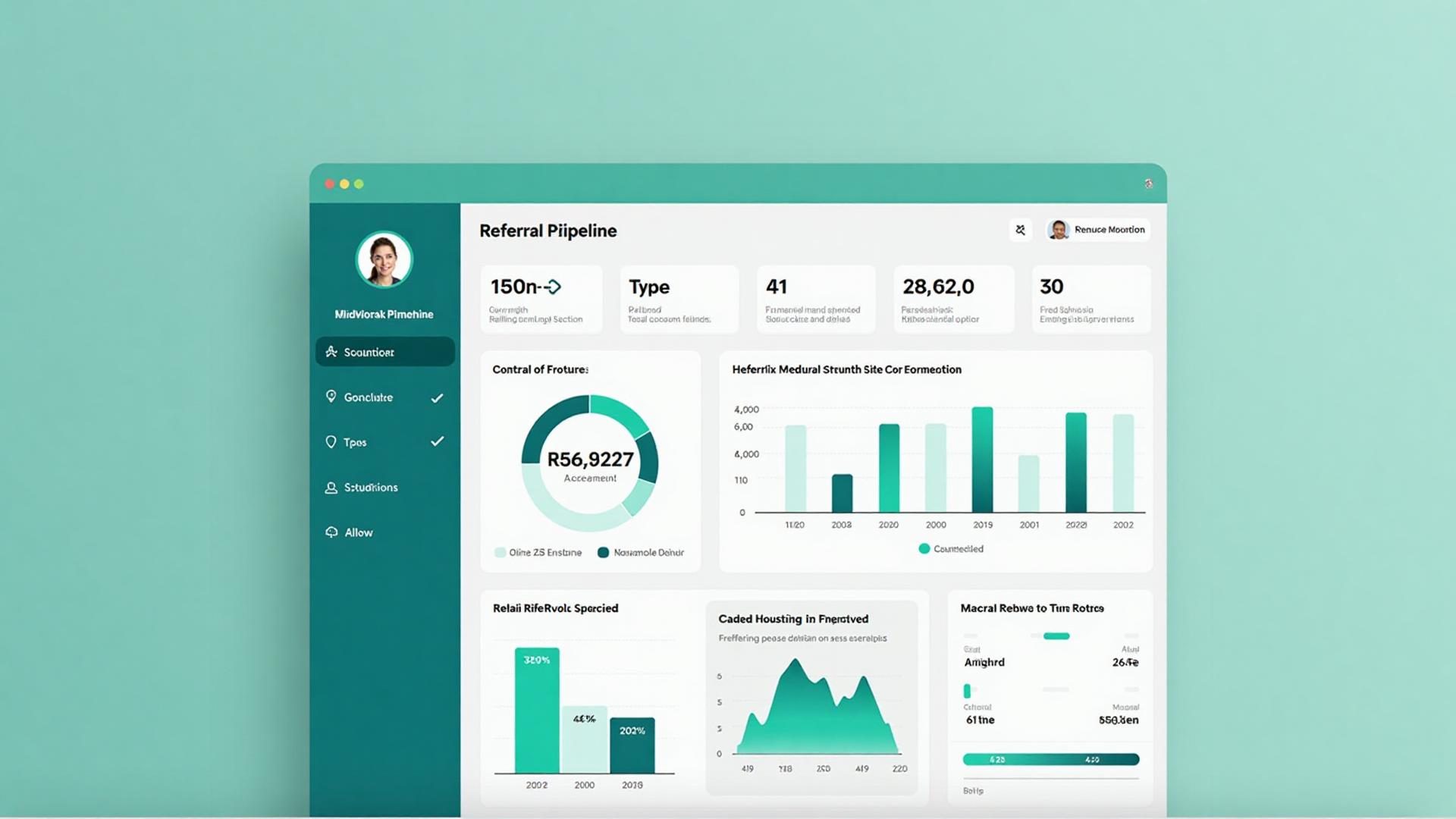
With processes defined, technology can be your best ally in achieving greater efficiency. Here's how integrating your systems can further streamline operations.
EMR CRM Integration for Home Health
Integrating your Electronic Medical Records (EMR) with your Customer Relationship Management (CRM) system creates a unified platform for managing referrals. This connectivity enhances your team's capacity to function efficiently.
Data sync: Ensure that referral data automatically updates across systems.
Reduce manual entry: Automation can save time and reduce errors.
Unified views: Provide your team with a comprehensive view of each referral's status.
Imagine a scenario where a team reduces manual data entry errors by 30% after integration. That’s the potential power of tech. Learn more about integration here.
Enable Referral Pipeline Visibility
Visibility into your referral pipeline is crucial for tracking progress and identifying bottlenecks. Here's how you can enhance transparency and accountability.
Dashboards: Set up real-time dashboards to monitor referral progress.
Alerts: Implement alerts for when referrals stall or need attention.
Regular reports: Generate reports to review and refine processes.
Visibility leads to better management. A case study showed how an agency increased its SOC timeliness improvement by 15% just by improving pipeline transparency.
Develop HIPAA-Compliant Dashboards
Dashboards can revolutionize how you track performance, but they must be HIPAA-compliant to protect patient information. Here's how to develop secure, effective dashboards.
Secure access: Limit dashboard access to authorized personnel only.
Data encryption: Ensure all data is encrypted both in transit and at rest.
Regular audits: Conduct audits to ensure compliance with HIPAA standards.
A client once discovered that by focusing on compliance, they reduced their audit findings by 20%. This approach not only keeps you compliant but also fosters trust with partners and patients alike. Delve deeper into HIPAA compliance.
Foster Consistent Growth and Stability

With unified processes and technology in place, your agency is positioned for growth. Let's explore how to maintain momentum and stability.
Improve Referral Conversion Rate
Increasing your referral conversion rate directly impacts your bottom line. Here’s how you can boost your numbers.
Analyze data: Review previous referrals to identify successful patterns.
Training: Equip your team with the skills to handle every referral effectively.
Feedback: Gather input from partners to refine your approach.
Most agencies assume a quick response guarantees conversion, but improving your approach can have a greater impact. Consider this: agencies that regularly review and analyze their referral data see conversion increases of up to 22%.
Ensure SOC Timeliness Improvement
Timeliness in starting care is crucial. Let's ensure your team meets and exceeds expectations.
Set benchmarks: Define what timely SOC looks like for your agency.
Track performance: Use your dashboards to monitor and improve SOC times.
Celebrate wins: Recognize teams that consistently meet SOC deadlines.
One agency noted a 15% improvement in SOC timeliness after implementing tracking benchmarks. Such metrics can motivate your team to strive for excellence.
Execute Intake Governance Cadence
Establishing a governance cadence ensures your processes remain effective and evolve as needed. Here’s how to maintain oversight and drive improvement.
Regular meetings: Schedule regular check-ins to discuss intake performance.
Adjust strategies: Be willing to tweak processes based on real-time data.
Leadership involvement: Engage leadership in governance discussions for accountability.
Governance is not just about oversight - it's about continuous improvement. Successful agencies often cite their governance cadence as the backbone of their operational resilience. Explore more about implementing governance here.
By standardizing your referral-to-admission processes and leveraging technology, your agency can achieve sustainable growth and operational excellence. Use this guide as your blueprint to build a more efficient and effective home health operation.
TAGS
Get More Insights Like This
Join 500+ home health professionals receiving weekly strategies to grow their census