%20--%3e%3cdefs%3e%3cstyle%3e%20.st0%20{%20fill:%20%231a3159;%20}%20.st1%20{%20fill:%20%2338b387;%20}%20%3c/style%3e%3c/defs%3e%3cg%3e%3cpath%20class='st0'%20d='M140.11,318.73v115.37h-28.1v-47.49h-43.72v47.49h-28.1v-115.37h28.1v45.2h43.72v-45.2h28.1Z'/%3e%3cpath%20class='st0'%20d='M262.09,318.73v115.37h-28.1v-47.49h-43.72v47.49h-28.1v-115.37h28.1v45.2h43.72v-45.2h28.1Z'/%3e%3cpath%20class='st0'%20d='M352.79,413.72h-43.06l-6.9,20.38h-29.42l41.74-115.37h32.54l41.74,115.37h-29.75l-6.9-20.38ZM345.56,392.03l-14.3-42.24-14.14,42.24h28.44Z'/%3e%3cpath%20class='st1'%20d='M477.67,370.34c-2.74,5.15-7.12,9.34-13.14,12.58-6.03,3.23-13.75,4.85-23.18,4.85h-20.71v46.34h-18.74v-114.22h39.44c8.77,0,16.2,1.51,22.27,4.52,6.08,3.02,10.63,7.1,13.64,12.25s4.52,10.9,4.52,17.25c0,5.81-1.37,11.29-4.11,16.44ZM457.3,367.63c3.51-3.23,5.25-7.81,5.25-13.73,0-12.49-7.07-18.74-21.2-18.74h-20.71v37.31h20.71c7.12,0,12.43-1.61,15.95-4.85Z'/%3e%3cpath%20class='st1'%20d='M526.16,345.93c4.54-2.57,9.94-3.86,16.19-3.86v19.39h-4.77c-7.34,0-12.9,1.86-16.68,5.59-3.78,3.72-5.67,10.19-5.67,19.39v47.66h-18.74v-90.55h18.74v13.14c2.74-4.6,6.39-8.19,10.93-10.77Z'/%3e%3cpath%20class='st1'%20d='M572.69,429.75c-6.9-3.89-12.32-9.37-16.27-16.44-3.95-7.07-5.92-15.26-5.92-24.57s2.03-17.36,6.08-24.48c4.06-7.12,9.59-12.6,16.6-16.44s14.85-5.75,23.5-5.75,16.48,1.92,23.5,5.75c7,3.83,12.54,9.31,16.59,16.44,4.06,7.12,6.09,15.29,6.09,24.48s-2.08,17.37-6.25,24.48c-4.17,7.12-9.84,12.63-17.01,16.52-7.18,3.89-15.09,5.83-23.75,5.83s-16.27-1.94-23.18-5.83ZM609.42,415.86c4.22-2.3,7.64-5.76,10.27-10.36s3.95-10.19,3.95-16.76-1.26-12.13-3.79-16.68c-2.52-4.54-5.86-7.97-10.02-10.27s-8.66-3.45-13.47-3.45-9.29,1.15-13.4,3.45c-4.1,2.3-7.36,5.73-9.77,10.27-2.41,4.55-3.62,10.11-3.62,16.68,0,9.75,2.49,17.28,7.48,22.6,4.98,5.31,11.25,7.97,18.81,7.97,4.82,0,9.34-1.15,13.56-3.45Z'/%3e%3cpath%20class='st1'%20d='M673.32,431.72c-5.65-2.58-10.11-6.09-13.39-10.52-3.29-4.44-5.05-9.4-5.26-14.88h19.39c.34,3.84,2.16,7.04,5.51,9.62,3.34,2.58,7.53,3.87,12.57,3.87s9.34-1.01,12.24-3.04c2.91-2.03,4.36-4.63,4.36-7.81,0-3.39-1.62-5.91-4.85-7.55-3.23-1.65-8.36-3.45-15.37-5.42-6.79-1.87-12.32-3.67-16.59-5.42-4.27-1.76-7.97-4.44-11.09-8.06-3.12-3.62-4.69-8.38-4.69-14.29,0-4.82,1.42-9.23,4.27-13.23,2.85-4,6.93-7.15,12.24-9.45,5.32-2.3,11.43-3.45,18.33-3.45,10.29,0,18.6,2.6,24.9,7.8,6.3,5.21,9.66,12.3,10.1,21.28h-18.74c-.33-4.05-1.97-7.28-4.93-9.69-2.95-2.41-6.96-3.62-11.99-3.62s-8.71.93-11.34,2.8c-2.63,1.87-3.95,4.33-3.95,7.39,0,2.41.88,4.44,2.63,6.09,1.75,1.64,3.89,2.93,6.41,3.86,2.52.93,6.25,2.12,11.17,3.54,6.57,1.75,11.97,3.53,16.19,5.33,4.22,1.81,7.86,4.47,10.93,7.98,3.07,3.51,4.66,8.16,4.77,13.97,0,5.15-1.43,9.75-4.28,13.8-2.84,4.06-6.88,7.24-12.07,9.54-5.21,2.3-11.32,3.45-18.33,3.45s-13.5-1.29-19.14-3.86Z'/%3e%3c/g%3e%3cg%3e%3cpath%20class='st1'%20d='M513.49,153.9c2.16,2.56,2.16,6.3,0,8.86l-7.91,9.36-2.25,2.67-10.34,12.24-12.9,15.28c-1.76,2.08-4.35,3.29-7.08,3.29h-20.25c-1.29,0-1.98-1.5-1.15-2.49l27.48-32.54,6.8-8.05c2.05-2.42,2.05-5.96,0-8.39l-6.8-8.05-27.48-32.54c-.83-.98-.13-2.49,1.15-2.49h20.25c2.73,0,5.32,1.2,7.08,3.29l12.9,15.28,10.34,12.25,2.25,2.67,7.91,9.36Z'/%3e%3cpath%20class='st0'%20d='M457.07,168.81c1.12,0,1.72,1.3,1,2.16l-29.25,34.64c-1.7,2.02-2.64,4.57-2.64,7.21v55.51c0,9.21-7.47,16.68-16.68,16.68h-61.18c-9.21,0-16.68-7.47-16.68-16.68v-51.54c0-6.18-5.01-11.18-11.18-11.18h-51.54c-9.21,0-16.68-7.46-16.68-16.68v-61.19c0-9.21,7.47-16.68,16.68-16.68h51.54c6.18,0,11.18-5.01,11.18-11.18v-51.54c0-9.21,7.47-16.68,16.68-16.68h61.19c9.21,0,16.68,7.47,16.68,16.68v55.5c0,2.64.94,5.2,2.64,7.22l29.24,34.63c.72.85.11,2.16-1,2.16h-49.17c-7.01.25-21.82,1.79-36.05,11.92,0,0-16.13,11.48-22.07,30.08-.95,2.99-3.5,10.12,1.28,11.12,2.85.59,5.13-2.58,6.37-4.68,1.64-2.75,3.58-5.29,5.75-7.65,1.88-2.05,3.83-4.02,5.84-5.95,4.66-4.49,9.18-6.81,11.87-8.19,10.36-5.32,20.67-5.96,27.39-5.68h48.8Z'/%3e%3c/g%3e%3c/svg%3e)
Manual Intake Is Costing You Admissions. Automation Reclaims the Revenue.
Manual Intake Is Costing You Admissions. Automation Reclaims the Revenue.
Manual intake in home health is draining your admissions - and your revenue. Every delay, every referral lost, chips away at growth and puts your market share at risk. With home health intake automation, you can plug those leaks, tighten workflows, and turn missed opportunities into measurable gains. Ready to see exactly how much you’ve been leaving on the table? Keep reading. [https://setupbots.com/blog/pricing-patient-intake-automation-system-healthcare]
The Hidden Costs of Manual Intake
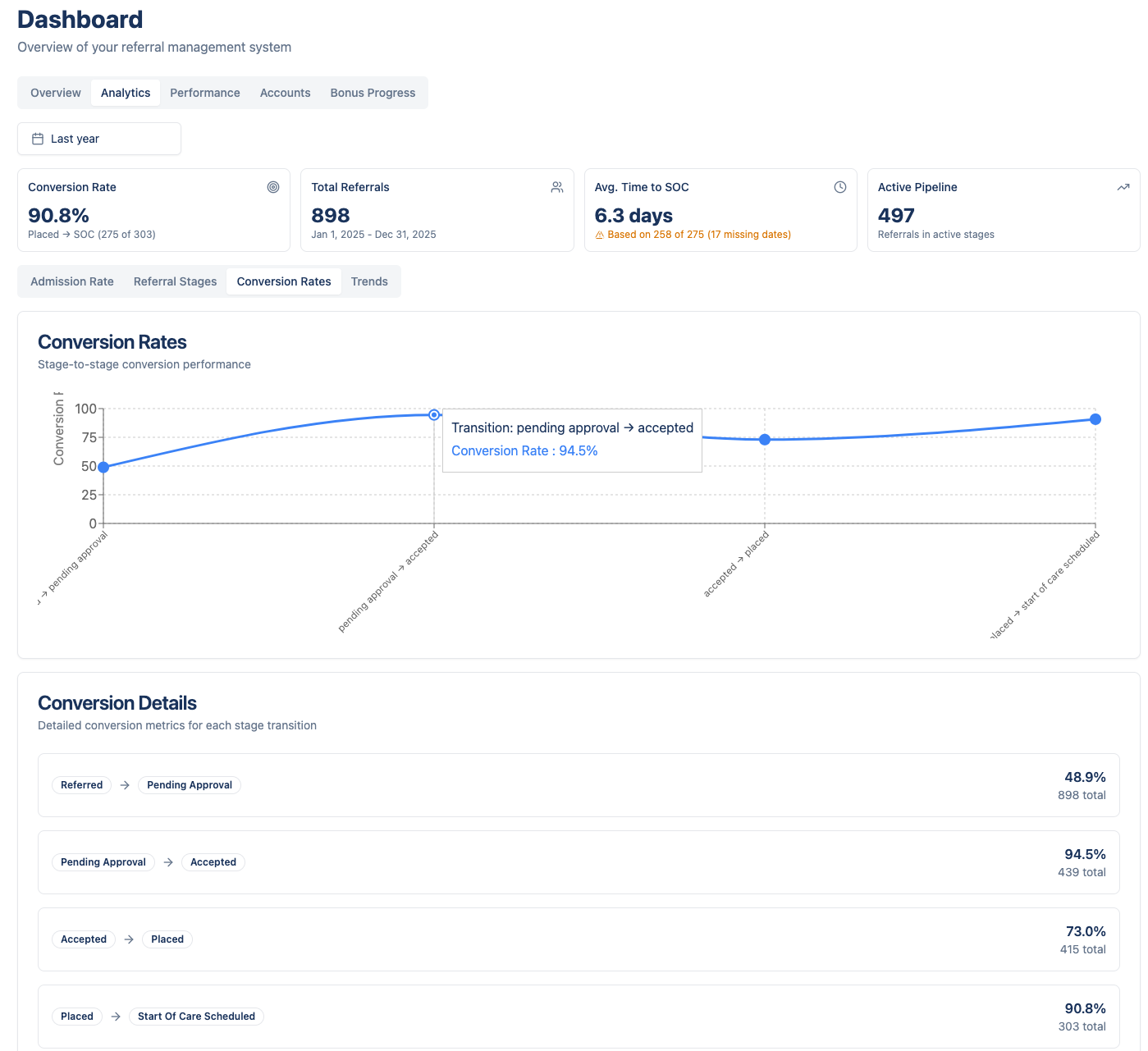
The process of manually handling patient intake is riddled with hidden expenses that eat away at your agency's revenue. Understanding these costs is the first step to reclaiming lost opportunities.
Understanding Revenue Leakage
Revenue leakage is a silent drain that can cost your agency thousands monthly. Did you know that manual processes lead to an average of $5,000 in lost revenue for each missed referral? When intake relies heavily on paperwork, errors and omissions are common, leading to missed follow-ups and lost referrals.
Consider this: a single lost referral represents a potential loss of $5,000. If your agency misses just five referrals a month, you're looking at a $25,000 monthly deficit. These numbers add up fast and can seriously impact your bottom line. By addressing these gaps, you can turn leakage into revenue and strengthen your agency's financial health.
The Impact of Delays and Rework
Delays in processing and rework due to incorrect data entry are more than inconveniences - they are profit killers. Manual intake processes can delay admissions by hours, if not days. This not only frustrates patients but also risks losing them to competitors who process faster.
A delay of just one day can lead to a potential patient choosing another agency. Rework compounds this issue, as correcting errors takes time away from other critical tasks. The longer your intake process, the more revenue slips through your fingers. Speeding up this process is key to keeping patients and safeguarding income.
Cancellations and Non-Admits
Cancellations and non-admits are the inevitable results of inefficient intake processes. For every 100 referrals, industry averages show that 15-20% can end up as non-admits due to delays and errors. This translates to thousands in lost revenue that could be recovered with the right system in place.
Think about it: if you receive 200 referrals a month, but 40 never convert due to process inefficiencies, you're potentially losing $80,000 monthly. Addressing these issues with automation could significantly boost your admission rates and, consequently, your revenue.
How Automation Reclaims Revenue
Automation is not just a buzzword - it's a tool that can turn your intake process into a well-oiled machine. By streamlining and standardizing workflows, you can reclaim lost revenue and focus on growth.
Streamlining Referral to Admission
Automation transforms the referral-to-admission journey from a cumbersome process to a seamless experience. With the right tools, you can reduce referral processing time by up to 70%. This means faster admissions and happier patients, which in turn means more revenue.
Imagine cutting referral processing time from hours to minutes. With automation, data is entered correctly the first time, reducing errors and speeding up the entire process. This efficiency leads to a higher conversion rate, moving more patients from referral to admission quickly and smoothly.
Intake Workflow Standardization
Standardizing intake workflows is crucial for consistency and efficiency. Automation ensures that every referral follows the same streamlined process, reducing the risk of errors and delays. This standardization can increase admission rates by up to 25%.
When workflows are consistent, staff can focus on patient care rather than paperwork. Standardization also ensures that everyone is on the same page, reducing confusion and increasing productivity. This results in a smoother operation and a more reliable revenue stream.
EMR CRM Integration in Home Health
Integrating your EMR and CRM systems can revolutionize the way your agency handles data. Such integration can improve data accuracy by 90% and reduce manual data entry significantly. It ensures that all patient information is easily accessible and up-to-date.
By connecting your systems, you create a single source of truth for all patient data. This reduces the time spent searching for information and allows your team to focus on delivering excellent patient care. In turn, this increases patient satisfaction and drives repeat business.
Taking Action: Automation Diagnostic
Ready to transform your intake process and reclaim lost revenue? The next steps involve assessing your current systems and implementing automation solutions tailored to your needs.
Booking a 30-Minute Consultation
A 30-minute consultation can provide invaluable insights into how automation can benefit your agency. During this time, experts will assess your current processes and identify areas for improvement. This consultation is the first step towards greater efficiency and increased revenue.
By taking this step, you're investing in the future of your agency. You'll gain a clearer understanding of where your process needs improvement and how automation can help you achieve your goals.
Using the Intake Cost Calculator
The Intake Cost Calculator is a powerful tool that can help you quantify the impact of manual processes on your revenue. By inputting your agency's data, you can see potential savings and revenue increases from automation.
This calculator allows you to visualize the financial benefits of streamlining your intake process, giving you the data you need to make informed decisions. It's a simple yet effective way to understand the value of automation.
Pilot in 30 Days for Results
Implementing a pilot program can provide tangible results in as little as 30 days. This allows you to test automation solutions on a small scale before a full rollout. Most agencies see an increase in admissions and a reduction in manual errors within the first month.
Launching a pilot program offers a risk-free way to see automation's benefits firsthand. It provides proof of concept and can quickly demonstrate the positive impact on your bottom line. Take this step, and you'll be on your way to a more efficient, profitable operation.
By understanding and addressing the hidden costs of manual intake, you can transform your agency into a more efficient, revenue-generating machine. With automation, standardization, and integration, you can reclaim lost revenue and focus on what truly matters: providing excellent care to your patients.
TAGS
Get More Insights Like This
Join 500+ home health professionals receiving weekly strategies to grow their census
Ready to Transform Your Agency?
Download our free playbook or book a free 20-Minute Referral Review to get started
Related Articles

AI Won't Fix Your Intake. It Will Automate Whatever You Already Have.
Every vendor is selling AI intake for home health. Almost none ask whether your process is worth automating. Here's what has to be true before AI makes a single good decision on your behalf.
Harnessing Data-Driven Decision Making for Enhanced Home Health Operations
Harnessing Data-Driven Decision Making for Enhanced Home Health Operations You’re losing referrals and wasting hours on manual intake - without even knowing where the leaks are.
Harnessing the Power of Data: From Reactive to Proactive Growth in Home Health
Harnessing the Power of Data: From Reactive to Proactive Growth in Home Health Most home health agencies scramble to react when referrals drop or cancellations rise.