%20--%3e%3cdefs%3e%3cstyle%3e%20.st0%20{%20fill:%20%231a3159;%20}%20.st1%20{%20fill:%20%2338b387;%20}%20%3c/style%3e%3c/defs%3e%3cg%3e%3cpath%20class='st0'%20d='M140.11,318.73v115.37h-28.1v-47.49h-43.72v47.49h-28.1v-115.37h28.1v45.2h43.72v-45.2h28.1Z'/%3e%3cpath%20class='st0'%20d='M262.09,318.73v115.37h-28.1v-47.49h-43.72v47.49h-28.1v-115.37h28.1v45.2h43.72v-45.2h28.1Z'/%3e%3cpath%20class='st0'%20d='M352.79,413.72h-43.06l-6.9,20.38h-29.42l41.74-115.37h32.54l41.74,115.37h-29.75l-6.9-20.38ZM345.56,392.03l-14.3-42.24-14.14,42.24h28.44Z'/%3e%3cpath%20class='st1'%20d='M477.67,370.34c-2.74,5.15-7.12,9.34-13.14,12.58-6.03,3.23-13.75,4.85-23.18,4.85h-20.71v46.34h-18.74v-114.22h39.44c8.77,0,16.2,1.51,22.27,4.52,6.08,3.02,10.63,7.1,13.64,12.25s4.52,10.9,4.52,17.25c0,5.81-1.37,11.29-4.11,16.44ZM457.3,367.63c3.51-3.23,5.25-7.81,5.25-13.73,0-12.49-7.07-18.74-21.2-18.74h-20.71v37.31h20.71c7.12,0,12.43-1.61,15.95-4.85Z'/%3e%3cpath%20class='st1'%20d='M526.16,345.93c4.54-2.57,9.94-3.86,16.19-3.86v19.39h-4.77c-7.34,0-12.9,1.86-16.68,5.59-3.78,3.72-5.67,10.19-5.67,19.39v47.66h-18.74v-90.55h18.74v13.14c2.74-4.6,6.39-8.19,10.93-10.77Z'/%3e%3cpath%20class='st1'%20d='M572.69,429.75c-6.9-3.89-12.32-9.37-16.27-16.44-3.95-7.07-5.92-15.26-5.92-24.57s2.03-17.36,6.08-24.48c4.06-7.12,9.59-12.6,16.6-16.44s14.85-5.75,23.5-5.75,16.48,1.92,23.5,5.75c7,3.83,12.54,9.31,16.59,16.44,4.06,7.12,6.09,15.29,6.09,24.48s-2.08,17.37-6.25,24.48c-4.17,7.12-9.84,12.63-17.01,16.52-7.18,3.89-15.09,5.83-23.75,5.83s-16.27-1.94-23.18-5.83ZM609.42,415.86c4.22-2.3,7.64-5.76,10.27-10.36s3.95-10.19,3.95-16.76-1.26-12.13-3.79-16.68c-2.52-4.54-5.86-7.97-10.02-10.27s-8.66-3.45-13.47-3.45-9.29,1.15-13.4,3.45c-4.1,2.3-7.36,5.73-9.77,10.27-2.41,4.55-3.62,10.11-3.62,16.68,0,9.75,2.49,17.28,7.48,22.6,4.98,5.31,11.25,7.97,18.81,7.97,4.82,0,9.34-1.15,13.56-3.45Z'/%3e%3cpath%20class='st1'%20d='M673.32,431.72c-5.65-2.58-10.11-6.09-13.39-10.52-3.29-4.44-5.05-9.4-5.26-14.88h19.39c.34,3.84,2.16,7.04,5.51,9.62,3.34,2.58,7.53,3.87,12.57,3.87s9.34-1.01,12.24-3.04c2.91-2.03,4.36-4.63,4.36-7.81,0-3.39-1.62-5.91-4.85-7.55-3.23-1.65-8.36-3.45-15.37-5.42-6.79-1.87-12.32-3.67-16.59-5.42-4.27-1.76-7.97-4.44-11.09-8.06-3.12-3.62-4.69-8.38-4.69-14.29,0-4.82,1.42-9.23,4.27-13.23,2.85-4,6.93-7.15,12.24-9.45,5.32-2.3,11.43-3.45,18.33-3.45,10.29,0,18.6,2.6,24.9,7.8,6.3,5.21,9.66,12.3,10.1,21.28h-18.74c-.33-4.05-1.97-7.28-4.93-9.69-2.95-2.41-6.96-3.62-11.99-3.62s-8.71.93-11.34,2.8c-2.63,1.87-3.95,4.33-3.95,7.39,0,2.41.88,4.44,2.63,6.09,1.75,1.64,3.89,2.93,6.41,3.86,2.52.93,6.25,2.12,11.17,3.54,6.57,1.75,11.97,3.53,16.19,5.33,4.22,1.81,7.86,4.47,10.93,7.98,3.07,3.51,4.66,8.16,4.77,13.97,0,5.15-1.43,9.75-4.28,13.8-2.84,4.06-6.88,7.24-12.07,9.54-5.21,2.3-11.32,3.45-18.33,3.45s-13.5-1.29-19.14-3.86Z'/%3e%3c/g%3e%3cg%3e%3cpath%20class='st1'%20d='M513.49,153.9c2.16,2.56,2.16,6.3,0,8.86l-7.91,9.36-2.25,2.67-10.34,12.24-12.9,15.28c-1.76,2.08-4.35,3.29-7.08,3.29h-20.25c-1.29,0-1.98-1.5-1.15-2.49l27.48-32.54,6.8-8.05c2.05-2.42,2.05-5.96,0-8.39l-6.8-8.05-27.48-32.54c-.83-.98-.13-2.49,1.15-2.49h20.25c2.73,0,5.32,1.2,7.08,3.29l12.9,15.28,10.34,12.25,2.25,2.67,7.91,9.36Z'/%3e%3cpath%20class='st0'%20d='M457.07,168.81c1.12,0,1.72,1.3,1,2.16l-29.25,34.64c-1.7,2.02-2.64,4.57-2.64,7.21v55.51c0,9.21-7.47,16.68-16.68,16.68h-61.18c-9.21,0-16.68-7.47-16.68-16.68v-51.54c0-6.18-5.01-11.18-11.18-11.18h-51.54c-9.21,0-16.68-7.46-16.68-16.68v-61.19c0-9.21,7.47-16.68,16.68-16.68h51.54c6.18,0,11.18-5.01,11.18-11.18v-51.54c0-9.21,7.47-16.68,16.68-16.68h61.19c9.21,0,16.68,7.47,16.68,16.68v55.5c0,2.64.94,5.2,2.64,7.22l29.24,34.63c.72.85.11,2.16-1,2.16h-49.17c-7.01.25-21.82,1.79-36.05,11.92,0,0-16.13,11.48-22.07,30.08-.95,2.99-3.5,10.12,1.28,11.12,2.85.59,5.13-2.58,6.37-4.68,1.64-2.75,3.58-5.29,5.75-7.65,1.88-2.05,3.83-4.02,5.84-5.95,4.66-4.49,9.18-6.81,11.87-8.19,10.36-5.32,20.67-5.96,27.39-5.68h48.8Z'/%3e%3c/g%3e%3c/svg%3e)
Leadership Enablement in Home Health: Build Accountability. Manage by Dashboard. Protect Growth.
Leadership Enablement in Home Health: Build Accountability. Manage by Dashboard. Protect Growth.
You’re losing referrals every day and don’t even see it. Your intake and admission process leaks patients before they ever reach your care team. It’s not about more software - it’s about building an accountability system home health leaders trust. In this post, you’ll get a practical framework to tighten handoffs, own every KPI in your referral-to-admission pipeline, and protect the growth you’ve fought hard to earn. Learn more here.
Building Accountability in Home Health
To protect your growth and ensure a steady stream of referrals, it's crucial to have a reliable accountability system in place. Let's explore how to establish clear ownership and implement scorecards that align with your goals.
Establish Clear Ownership
Ownership creates clarity, and clarity drives results. When everyone knows who is responsible for each part of the process, things run smoothly. Start by defining roles for every step in the referral process. Assign specific team members to handle incoming referrals, follow-ups, and admissions. This ensures that no task falls through the cracks, and everyone knows who to turn to when issues arise.
Consider using a Responsibility Assignment Matrix (RAM) to clarify roles. This tool helps you map out responsibilities, ensuring everyone knows their duties. It also reduces confusion and enhances accountability. Remember, the goal is to have a seamless process where everyone knows their role and feels responsible for their part.
Implement Unified KPI Scorecards
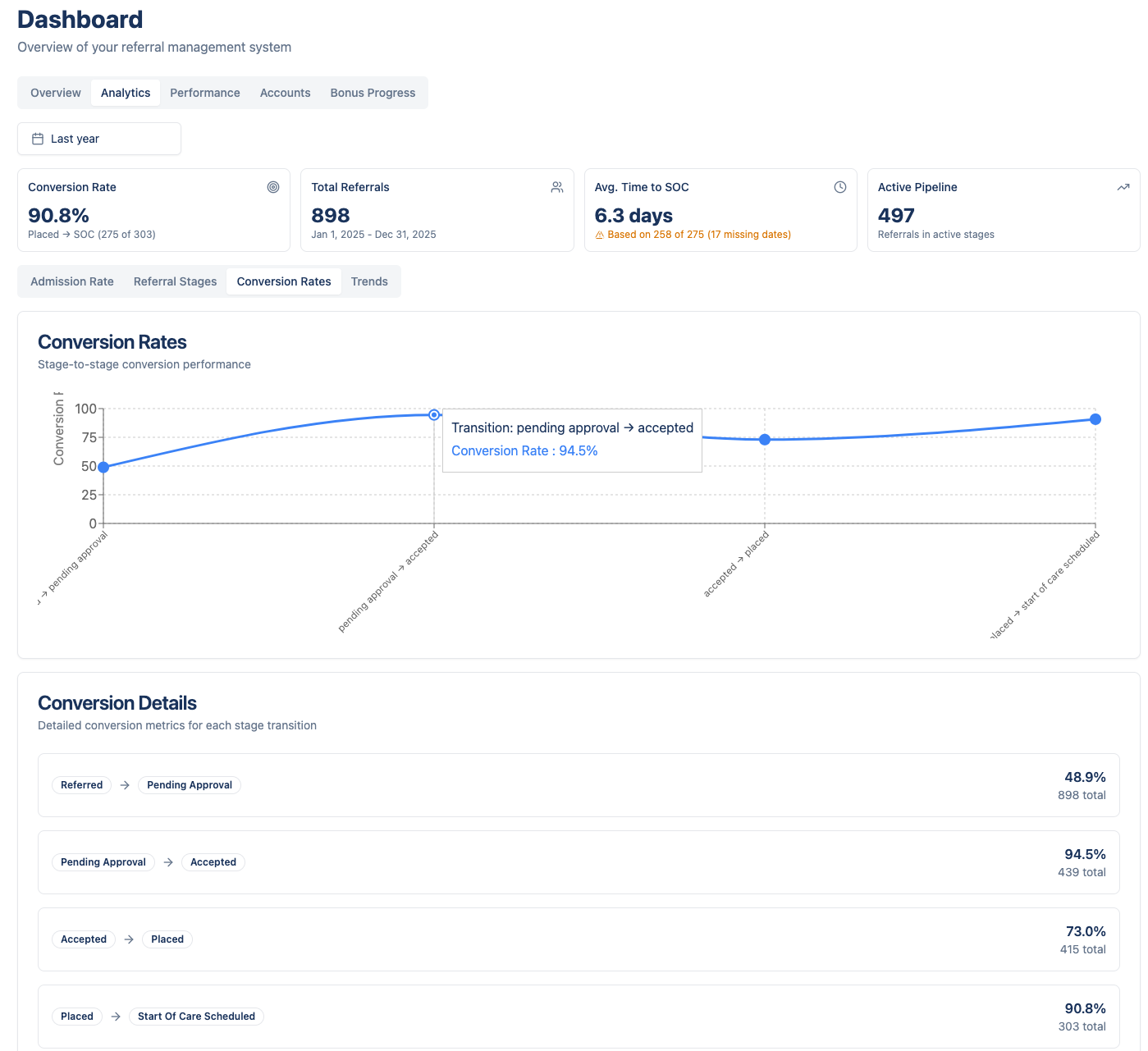
A unified scorecard aligns your team and provides a clear visual of your performance. Start by identifying the key performance indicators (KPIs) that matter most to your organization, such as referral conversion rates and SOC timeliness. Use these KPIs to build a scorecard that everyone can access and understand.
An effective scorecard offers:
Transparency: Everyone sees the same metrics, minimizing disputes over data.
Focus: Teams can concentrate on what's truly important, using data to guide improvements.
Motivation: Clear indicators of success motivate teams to reach their goals.
Create Disciplined Cadence
Establishing a regular cadence for meetings and reviews ensures that your team stays on track. Schedule weekly check-ins to review KPIs and address any bottlenecks. This rhythm creates a culture of accountability and continuous improvement.
Use this time to celebrate wins and discuss challenges. Encourage open communication and make adjustments as needed. A disciplined cadence keeps your team aligned and moving forward. It also helps to embed a culture of accountability, where everyone is committed to achieving the organization's goals.
Managing by Dashboard
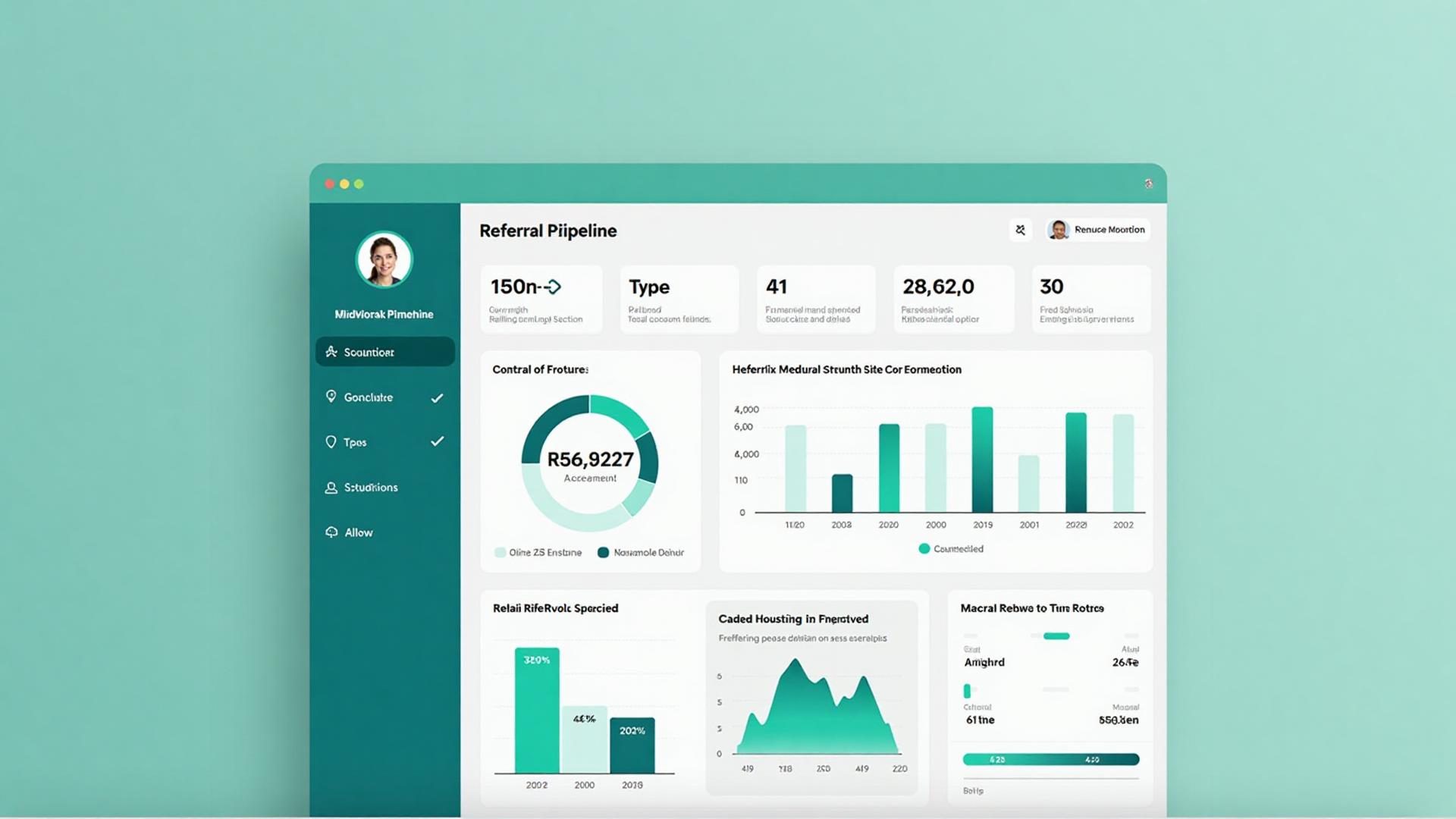
Once you have clear ownership and unified scorecards, it's time to incorporate dashboards into your decision-making process. This section will show you how live KPIs can transform your decision-making.
Live KPIs for Decision Making
Instant access to live KPIs is a game-changer. When decision-makers have real-time data, they can make informed choices swiftly. Start by integrating live dashboards that display essential metrics like conversion rates and admission times. This way, you can spot trends and make proactive decisions.
Consider this: a live KPI dashboard acts like a control tower, offering a bird's-eye view of your operations. It highlights what's working and what's not, allowing you to adjust your strategies on the fly. This approach not only improves decision-making but also boosts team confidence, knowing their actions are backed by data.
SOC Timeliness and Partner Health
Timeliness is vital in the start of care (SOC) process. Delays can lead to lost referrals and dissatisfied partners. By tracking SOC timeliness, you ensure that your team meets partner expectations and improves patient outcomes. Use dashboard alerts to notify your team when SOC metrics fall short, so they can take immediate action.
Partner health is equally important. Monitor metrics such as referral quality and partner satisfaction. This data helps you maintain strong relationships and address issues before they escalate. Remember, a healthy partnership leads to continuous referrals and mutual trust.
Referral-to-Admission Optimization
Optimizing the referral-to-admission process boosts efficiency and reduces leakage. Analyze each stage of the process to identify bottlenecks and areas for improvement. Use your dashboard to track metrics like referral response times and admission rates.
By optimizing each step, you can streamline workflows and improve conversion rates. This approach not only saves time and resources but also enhances the overall patient experience. Remember, every improvement, no matter how small, contributes to your agency's success.
Protecting Growth and Partner Loyalty

A robust system not only drives growth but also protects the partnerships you've worked hard to build. Let's dive into strategies that standardize processes and improve referral conversion rates.
Standardized Processes Across Branches
Consistency across branches is key to maintaining quality and efficiency. Standardize your processes to ensure every branch operates at the same high standard. This includes training staff, implementing unified procedures, and using consistent technology systems.
Standardization leads to:
Uniform Quality: Patients receive the same level of care regardless of location.
Streamlined Operations: Teams can easily collaborate, share insights, and implement best practices.
Scalability: Your agency can grow without sacrificing quality or efficiency.
Referral Conversion Rate Improvement
Improving referral conversion rates requires a focused strategy. Start by analyzing your current conversion rates and identifying any weak points. Use this data to refine your processes and training programs. Implement targeted improvements and track the results using your KPI dashboard.
Successful strategies might include:
Enhanced Communication: Ensure timely follow-ups with potential patients.
Training Programs: Equip your team with the skills to handle referrals effectively.
Technology Integration: Use CRM systems to track and manage referrals efficiently.
Market Defense Strategy in Healthcare
Defending your market position is as crucial as growing it. Implement strategies that prevent competitors from poaching your partners. This includes maintaining open lines of communication, providing value-added services, and addressing partner concerns promptly.
Your defense strategy should focus on:
Strengthening Relationships: Build trust with partners through transparency and reliability.
Continuous Evaluation: Regularly assess market conditions and adapt your strategies accordingly.
Innovation: Stay ahead of the competition by adopting new technologies and improving service offerings.
In conclusion, building a robust accountability system, managing by dashboard, and protecting your growth are essential to thriving in the home health industry. By implementing these strategies, you can ensure a steady stream of referrals, maintain strong partnerships, and achieve sustainable growth.
TAGS
Get More Insights Like This
Join 500+ home health professionals receiving weekly strategies to grow their census