%20--%3e%3cdefs%3e%3cstyle%3e%20.st0%20{%20fill:%20%231a3159;%20}%20.st1%20{%20fill:%20%2338b387;%20}%20%3c/style%3e%3c/defs%3e%3cg%3e%3cpath%20class='st0'%20d='M140.11,318.73v115.37h-28.1v-47.49h-43.72v47.49h-28.1v-115.37h28.1v45.2h43.72v-45.2h28.1Z'/%3e%3cpath%20class='st0'%20d='M262.09,318.73v115.37h-28.1v-47.49h-43.72v47.49h-28.1v-115.37h28.1v45.2h43.72v-45.2h28.1Z'/%3e%3cpath%20class='st0'%20d='M352.79,413.72h-43.06l-6.9,20.38h-29.42l41.74-115.37h32.54l41.74,115.37h-29.75l-6.9-20.38ZM345.56,392.03l-14.3-42.24-14.14,42.24h28.44Z'/%3e%3cpath%20class='st1'%20d='M477.67,370.34c-2.74,5.15-7.12,9.34-13.14,12.58-6.03,3.23-13.75,4.85-23.18,4.85h-20.71v46.34h-18.74v-114.22h39.44c8.77,0,16.2,1.51,22.27,4.52,6.08,3.02,10.63,7.1,13.64,12.25s4.52,10.9,4.52,17.25c0,5.81-1.37,11.29-4.11,16.44ZM457.3,367.63c3.51-3.23,5.25-7.81,5.25-13.73,0-12.49-7.07-18.74-21.2-18.74h-20.71v37.31h20.71c7.12,0,12.43-1.61,15.95-4.85Z'/%3e%3cpath%20class='st1'%20d='M526.16,345.93c4.54-2.57,9.94-3.86,16.19-3.86v19.39h-4.77c-7.34,0-12.9,1.86-16.68,5.59-3.78,3.72-5.67,10.19-5.67,19.39v47.66h-18.74v-90.55h18.74v13.14c2.74-4.6,6.39-8.19,10.93-10.77Z'/%3e%3cpath%20class='st1'%20d='M572.69,429.75c-6.9-3.89-12.32-9.37-16.27-16.44-3.95-7.07-5.92-15.26-5.92-24.57s2.03-17.36,6.08-24.48c4.06-7.12,9.59-12.6,16.6-16.44s14.85-5.75,23.5-5.75,16.48,1.92,23.5,5.75c7,3.83,12.54,9.31,16.59,16.44,4.06,7.12,6.09,15.29,6.09,24.48s-2.08,17.37-6.25,24.48c-4.17,7.12-9.84,12.63-17.01,16.52-7.18,3.89-15.09,5.83-23.75,5.83s-16.27-1.94-23.18-5.83ZM609.42,415.86c4.22-2.3,7.64-5.76,10.27-10.36s3.95-10.19,3.95-16.76-1.26-12.13-3.79-16.68c-2.52-4.54-5.86-7.97-10.02-10.27s-8.66-3.45-13.47-3.45-9.29,1.15-13.4,3.45c-4.1,2.3-7.36,5.73-9.77,10.27-2.41,4.55-3.62,10.11-3.62,16.68,0,9.75,2.49,17.28,7.48,22.6,4.98,5.31,11.25,7.97,18.81,7.97,4.82,0,9.34-1.15,13.56-3.45Z'/%3e%3cpath%20class='st1'%20d='M673.32,431.72c-5.65-2.58-10.11-6.09-13.39-10.52-3.29-4.44-5.05-9.4-5.26-14.88h19.39c.34,3.84,2.16,7.04,5.51,9.62,3.34,2.58,7.53,3.87,12.57,3.87s9.34-1.01,12.24-3.04c2.91-2.03,4.36-4.63,4.36-7.81,0-3.39-1.62-5.91-4.85-7.55-3.23-1.65-8.36-3.45-15.37-5.42-6.79-1.87-12.32-3.67-16.59-5.42-4.27-1.76-7.97-4.44-11.09-8.06-3.12-3.62-4.69-8.38-4.69-14.29,0-4.82,1.42-9.23,4.27-13.23,2.85-4,6.93-7.15,12.24-9.45,5.32-2.3,11.43-3.45,18.33-3.45,10.29,0,18.6,2.6,24.9,7.8,6.3,5.21,9.66,12.3,10.1,21.28h-18.74c-.33-4.05-1.97-7.28-4.93-9.69-2.95-2.41-6.96-3.62-11.99-3.62s-8.71.93-11.34,2.8c-2.63,1.87-3.95,4.33-3.95,7.39,0,2.41.88,4.44,2.63,6.09,1.75,1.64,3.89,2.93,6.41,3.86,2.52.93,6.25,2.12,11.17,3.54,6.57,1.75,11.97,3.53,16.19,5.33,4.22,1.81,7.86,4.47,10.93,7.98,3.07,3.51,4.66,8.16,4.77,13.97,0,5.15-1.43,9.75-4.28,13.8-2.84,4.06-6.88,7.24-12.07,9.54-5.21,2.3-11.32,3.45-18.33,3.45s-13.5-1.29-19.14-3.86Z'/%3e%3c/g%3e%3cg%3e%3cpath%20class='st1'%20d='M513.49,153.9c2.16,2.56,2.16,6.3,0,8.86l-7.91,9.36-2.25,2.67-10.34,12.24-12.9,15.28c-1.76,2.08-4.35,3.29-7.08,3.29h-20.25c-1.29,0-1.98-1.5-1.15-2.49l27.48-32.54,6.8-8.05c2.05-2.42,2.05-5.96,0-8.39l-6.8-8.05-27.48-32.54c-.83-.98-.13-2.49,1.15-2.49h20.25c2.73,0,5.32,1.2,7.08,3.29l12.9,15.28,10.34,12.25,2.25,2.67,7.91,9.36Z'/%3e%3cpath%20class='st0'%20d='M457.07,168.81c1.12,0,1.72,1.3,1,2.16l-29.25,34.64c-1.7,2.02-2.64,4.57-2.64,7.21v55.51c0,9.21-7.47,16.68-16.68,16.68h-61.18c-9.21,0-16.68-7.47-16.68-16.68v-51.54c0-6.18-5.01-11.18-11.18-11.18h-51.54c-9.21,0-16.68-7.46-16.68-16.68v-61.19c0-9.21,7.47-16.68,16.68-16.68h51.54c6.18,0,11.18-5.01,11.18-11.18v-51.54c0-9.21,7.47-16.68,16.68-16.68h61.19c9.21,0,16.68,7.47,16.68,16.68v55.5c0,2.64.94,5.2,2.64,7.22l29.24,34.63c.72.85.11,2.16-1,2.16h-49.17c-7.01.25-21.82,1.79-36.05,11.92,0,0-16.13,11.48-22.07,30.08-.95,2.99-3.5,10.12,1.28,11.12,2.85.59,5.13-2.58,6.37-4.68,1.64-2.75,3.58-5.29,5.75-7.65,1.88-2.05,3.83-4.02,5.84-5.95,4.66-4.49,9.18-6.81,11.87-8.19,10.36-5.32,20.67-5.96,27.39-5.68h48.8Z'/%3e%3c/g%3e%3c/svg%3e)
How to Reduce Intake Friction in Home Health: 9 Plays to Speed Referral-to-Admission
How to Reduce Intake Friction in Home Health: 9 Plays to Speed Referral-to-Admission
Intake friction in home health steals time, trust, and revenue every day. You’ve seen it: referrals stuck in limbo, handoffs that fall through the cracks, and unpredictable SOC timeliness that frustrates partners and clinicians alike. This post lays out nine practical plays to sharpen your home health intake, tighten workflows, set clear SLAs, and integrate your EMR and CRM - so your referral-to-admission process runs clean, fast, and predictable. You don’t need more software. You need a system that works. For more insights on reducing friction in healthcare, visit Tellescope.
Streamlining Intake Workflows
To improve your home health intake system, let's focus on creating a smoother process that saves time and boosts staff morale.
Standardizing Processes for Efficiency
When intake processes are consistent, everyone knows what to expect. This predictability reduces errors and saves time. Start by mapping out each step of your intake process. Identify areas where there are delays or repeated tasks. For example, if multiple team members collect the same information, streamline this into one clear task. Use checklists to ensure nothing is missed. This approach not only speeds things up but also makes training new staff easier.
Tip: Make sure your process aligns with industry best practices. For ergonomic insights, check this guide.
Tightening Handoffs for Clarity
Handoffs are critical in any workflow. Poor communication can lead to lost referrals, which means lost revenue. Ensure that your handoffs are clear and concise. Establish who is responsible for each step and what information needs to be communicated. Use simple forms or digital tools to track these handoffs. This clarity helps reduce confusion and keeps the process moving smoothly.
Insight: Most agencies struggle with handoffs due to unclear roles. Define and document these roles to prevent issues.
Setting SLAs to Ensure Timeliness
Service Level Agreements (SLAs) are commitments that keep your team accountable. They set the expectation for how quickly a task should be completed. For intake processes, having SLAs can mean the difference between a lost referral and a successful admission. Start by setting realistic timeframes for each step in your process. Monitor these regularly and adjust as needed. This ensures your team remains focused and responsive.
Statistic: Agencies that implement SLAs see a 20% improvement in timeliness.
Leveraging Technology for Intake
Technology can transform how efficiently you manage referrals. Smart tools and systems help eliminate manual errors and speed up processes.
EMR and CRM Integration Tactics
Integrating your EMR and CRM systems can greatly enhance your intake process. By connecting these systems, you streamline information flow and reduce data entry errors. For instance, when a referral comes in, it should automatically populate in both systems. This saves time and minimizes mistakes. Focus on choosing systems that communicate well with each other, like WellSky or Salesforce CRM.
Example: One healthcare provider saw a 30% reduction in data entry time after integrating their systems.
Automating Referrals and Notifications
Automation is a game-changer for intake. By automating referral inputs and notifications, you ensure nothing slips through the cracks. Set up automatic alerts for new referrals so your team can act quickly. Automate reminders for follow-ups and document submissions. This technology keeps your team on task and reduces the chance of missed opportunities.
Challenge: Many agencies worry about implementing automation. Start small to see quick wins.
Utilizing HIPAA-Compliant Dashboards
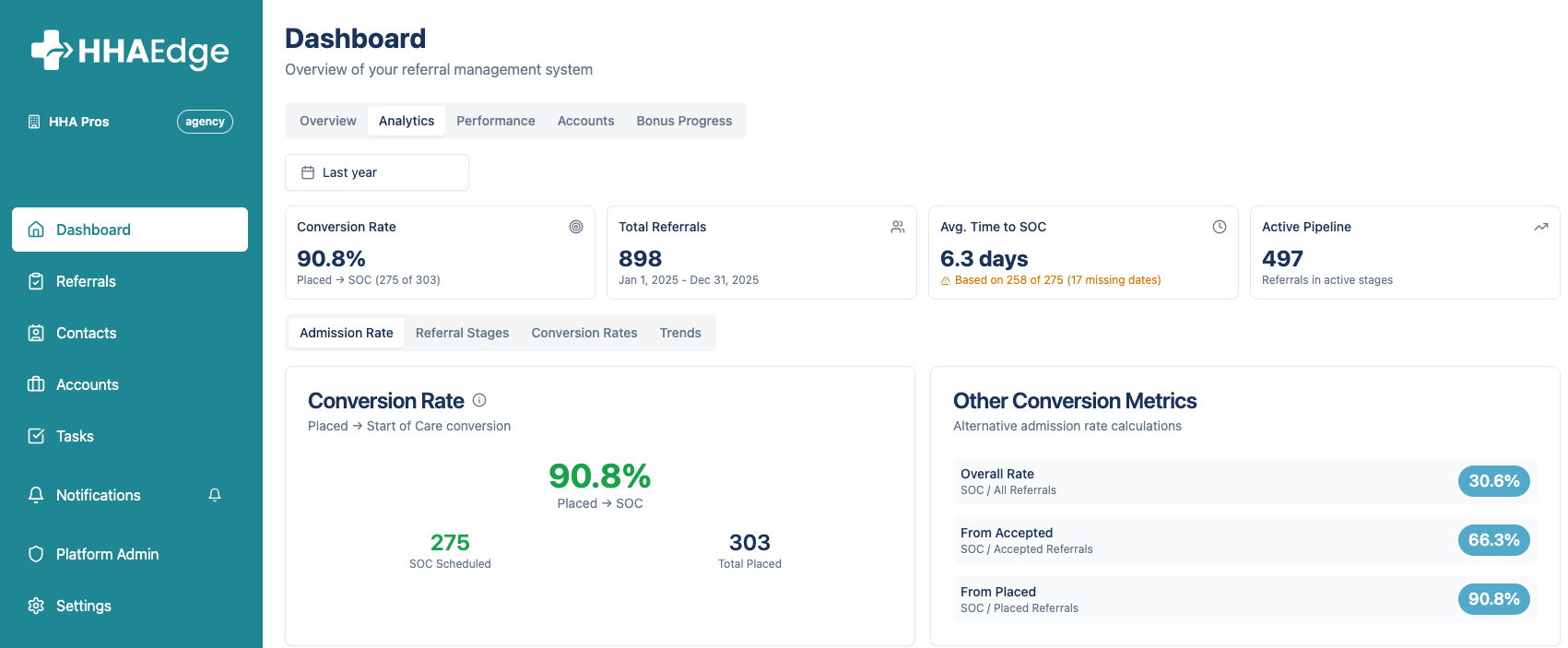
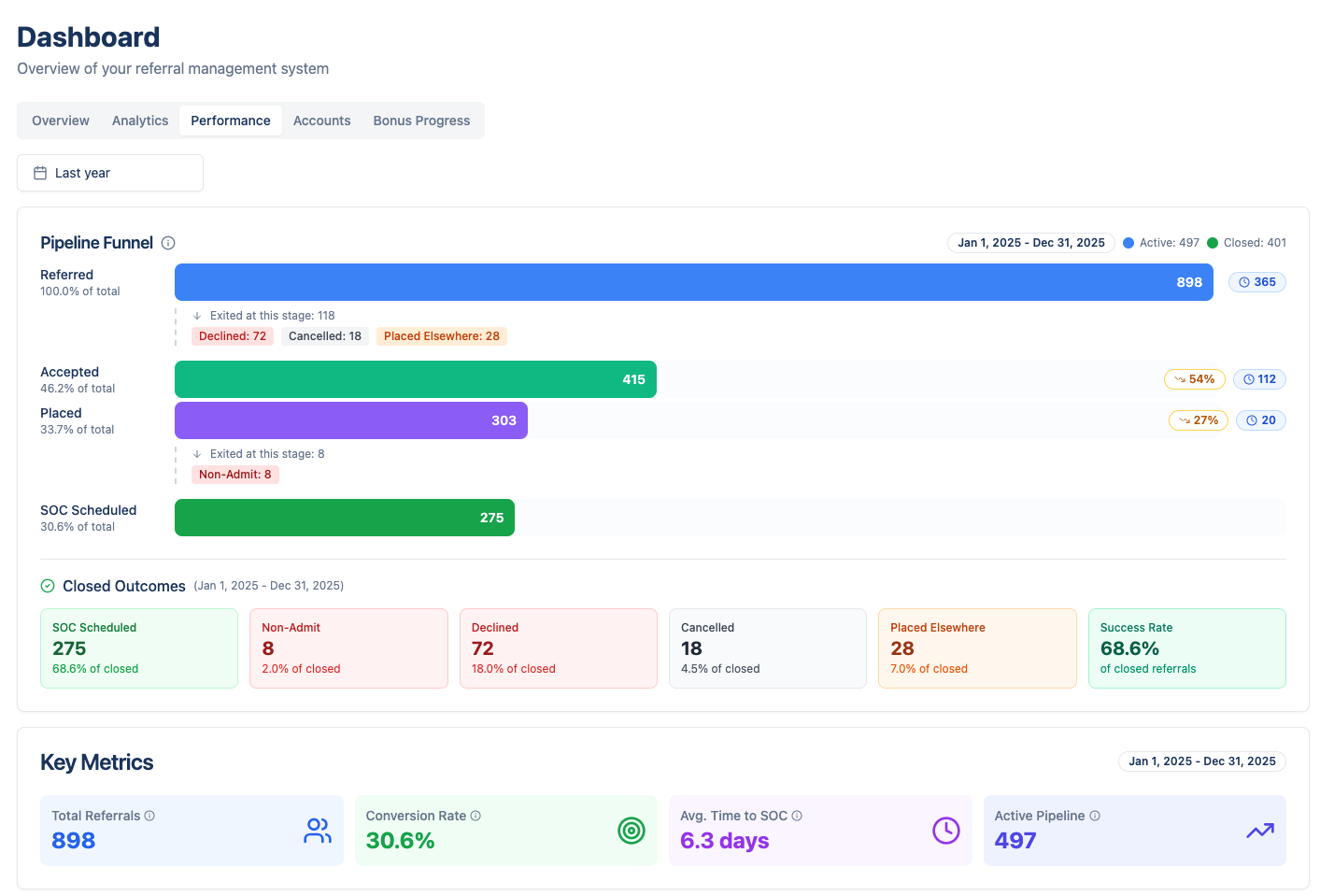
Dashboards offer real-time insights into your intake process. A HIPAA-compliant dashboard ensures data security while providing visibility. These dashboards track key metrics like referral conversion rates and timeliness. They help spot trends and identify bottlenecks quickly. Choose tools that allow customization to fit your specific needs.
Fact: Agencies using dashboards report a 15% increase in referral accuracy.
Leadership and Market Defense Strategies
Strong leadership and market strategies protect your agency from competitors and ensure long-term success.
Building Leadership Cadence and Accountability
Effective leadership fosters accountability and structure. Establish regular meetings to review intake performance and address challenges. Use data from your dashboards to drive these discussions. Set clear goals and track progress consistently. This builds a culture of accountability and continuous improvement.
Quote: "Leadership is not about making speeches. It is about making others better." - Unknown
Managing Partner Retention and Loyalty
Keeping partners happy is key to reducing referral leakage. Regularly engage with partners to understand their needs and concerns. Use feedback to improve your processes and show partners their importance to your agency. Implement loyalty programs and recognition initiatives to reward repeat referrals. This strengthens relationships and encourages ongoing collaboration.
Example: Offering quarterly review meetings with top partners can increase retention by 10%.
Addressing Weekend Coverage and Capacity Management
Weekend coverage is often a challenge for home health agencies. To manage this, ensure you have enough staff to handle referrals and intakes. Consider flexible staffing models that allow for peak times without overburdening your team. Plan for capacity surges and have protocols in place to handle them efficiently.
Tip: For insights on managing weekend coverage, see this article.
By following these strategies, you can streamline your intake process, leverage technology effectively, and strengthen leadership within your agency. This creates a solid foundation for growth and success in the competitive home health market.
TAGS
Get More Insights Like This
Join 500+ home health professionals receiving weekly strategies to grow their census